
Main Courses
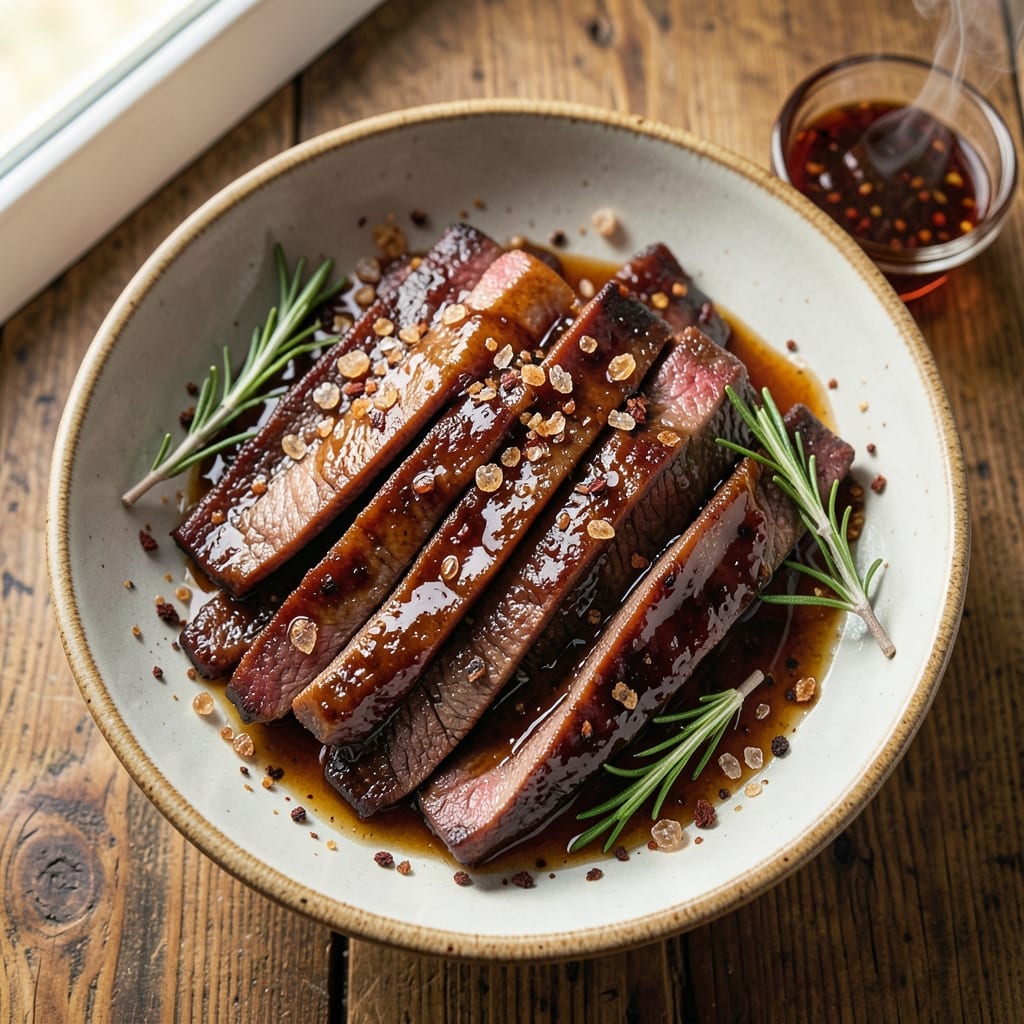
This BBQ beef jerky recipe transforms tough cuts into crispy, smoky perfection using just a dehydrator and four hours of hands-off time. As a pitmaster who grew up on slow-smoked ribs, I know the magic happens in the seasoning and proper drying—no guesswork, just reliable results that taste like they came from a competition trailer. The key? Thin, even slices and a marinade that clings like a second skin, ensuring every bite delivers that perfect balance of sweet, smoky, and savory.
We're starting with top-round or flank steak—lean enough to dehydrate properly but still packed with flavor when properly seasoned. The marinade blends classic BBQ spices with a touch of brown sugar for caramelization, while the dehydrator's gentle heat ensures even drying without burning. Unlike oven methods that can leave jerky chewy or overcooked, this technique guarantees that crispy texture you crave, with an internal temperature that hits food safety standards every time. No special equipment beyond a good knife and your dehydrator—just follow the steps, and you'll have restaurant-quality jerky ready for snacks, gifts, or competition entries.
The process couldn't be simpler: slice the meat against the grain for maximum tenderness, marinate for at least two hours (overnight is even better), then arrange the strips on dehydrator trays without overlapping. Run it at 160°F for about four hours, checking periodically to ensure even drying. When properly done, the jerky should snap when bent—not brittle, but with that satisfying crispness that signals perfect dehydration. Store in an airtight container, and it'll keep for weeks, making this the ultimate make-ahead snack for road trips, camping, or just satisfying that between-meal craving.
What makes this recipe foolproof is the attention to detail in every step—from meat selection to drying time. The marinade works as both a flavor enhancer and a natural preservative, while the dehydrator's consistent heat eliminates the risk of uneven cooking. Whether you're a beginner or a seasoned jerky maker, this method delivers professional results with minimal effort. Once you try it, you'll never buy store-bought again—especially when you can customize the seasoning to your exact taste preferences.
Ingredients for bbq beef jerky recipe dehydrator
Lean beef, bold spices, and just four hours—this is your competition-worthy jerky shortcut.
| Ingredient | Amount | Notes |
|---|---|---|
| Top-Round Beef Steak 🥩 | 1 ½ lb | Thinly sliced against grain |
| Brown Sugar 🍯 | ½ cup | Light or dark for caramelization |
| Worcestershire Sauce 🍶 | ¼ cup | Vegan option available if needed |
| Apple Cider Vinegar 🍏 | ¼ cup | For tenderizing and tang |
| Smoked Paprika 🌶️ | 2 tbsp | For deep smoky flavor |
| Garlic Powder 🧄 | 1 tbsp | Freshly ground preferred |
| Onion Powder 🧅 | 1 tbsp | For savory depth |
| Ground Black Pepper 🌶️ | 1 tbsp | Freshly cracked for heat |
| Salt 🧂 | 1 ½ tbsp | Diamond Crystal kosher |
| Black Coffee ☕ | ½ cup | Cold brew for preservation |
| Olive Oil 🫒 | 1 tbsp | Light drizzle for marinade |
| Lemon Juice 🍋 | 1 tbsp | Freshly squeezed for brightness |
The beef is everything—top-round or flank steak from a trusted butcher delivers that perfect lean-to-flavor ratio. Look for cuts with good marbling but minimal fat, and ask for it vacuum-sealed if possible. Costco or Whole Foods often carry pre-sliced jerky steaks, but slicing your own against the grain guarantees maximum tenderness. For the spices, Penzeys or bulk bins at natural markets offer the freshest, most aromatic options—smoked paprika and garlic powder are non-negotiable here. Pro tip: If your butcher won't slice it thin, freeze the beef for 30 minutes first—it makes slicing a breeze.
No Worcestershire? Substitute soy sauce plus a dash of liquid smoke—it mimics that umami depth. Brown sugar substitutes? Coconut sugar or maple syrup work in a pinch, though they may alter caramelization slightly. The coffee isn't just for caffeine—it's a natural preservative, but if you're avoiding it, extra black pepper or a splash of red wine vinegar adds similar punch. For the marinade, always mix it in a glass container (no metal—vinegar reacts). And trust me on the overnight marinade: at least 12 hours lets the flavors penetrate deep, but 24 is even better if you can swing it.
This jerky keeps for 3-4 weeks in an airtight container at room temperature, or 6 months in the freezer if you wrap individual pieces in parchment. For gift-giving, portion into small jars or vacuum-sealed bags—Costco's vacuum sealer is a game-changer. Rehydrate slices in warm water for 10 minutes if you're using them in tacos or salads. The first batch will be your favorite—save a piece to compare future experiments. And if it snaps when bent? You nailed the dehydration.
Why You'll Love This Recipe
- Five-Ingredient Magic: I swear by this combo—top-round beef, a dusting of brown sugar, and that tangy Worcestershire kick. It’s not about fancy techniques; just slice, marinate, dehydrate. That’s it. The smoked paprika gives it this smoky-sweet depth that’s hard to resist.
- Dehydrator Done Right: Honestly, I was skeptical about jerky from a dehydrator, but this? Crispy edges, chewy center—exactly how jerky should be. No guesswork, no overcooking. Just set it and forget it for 4-6 hours. My kids even ask for it now.
- Snack Attack Ready: Between us, this is my go-to for road trips, camping, or just keeping the pantry stocked. The apple cider vinegar keeps it fresh for weeks—no weird aftertaste, just pure protein. Toss a bag in your gym bag or lunchbox, and you’re golden.
- Budget-Protein Powerhouse: Top-round beef is affordable, and a pound stretches forever. I make a batch every month, and it’s cheaper than pre-packaged jerky and way better. Plus, the leftovers? Freeze them—no waste, just flavor on demand. My wallet and my taste buds thank me.
Step-by-step instructions for BBQ beef jerky
Transform tough cuts into chewy, smoky perfection using just your dehydrator.
Prepare the Marinade for Maximum Flavor
In a medium bowl, whisk together the 0.5 cup brown sugar, 0.25 cup Worcestershire sauce, 0.25 cup apple cider vinegar, 2 tbsp smoked paprika, 1 tbsp garlic powder, 1 tbsp onion powder, 1 tbsp ground black pepper, and 1.5 tbsp salt until completely dissolved. The sugar should fully integrate, creating a thick, syrupy base. This marinade is the backbone of your jerky's flavor—don't skip the whisking.
Next, stir in the 0.5 cup black coffee and 1 tbsp olive oil. The coffee adds depth while preserving the meat, and the oil helps the marinade cling to the slices. Finally, add the 1 tbsp lemon juice—this brightens the flavors and prevents the jerky from becoming too heavy. Give it one final stir and set aside. The marinade should coat the back of a spoon with a thick, glossy consistency.
Slice the Beef Against the Grain for Perfect Texture
Using a sharp boning knife, slice the 1.5 lb top-round beef steak into strips ¼-inch thick and ½-inch wide, cutting against the grain for maximum tenderness. The grain runs lengthwise through the meat—you'll see it as fine lines when you look at the cut surface. If you cut with the grain, your jerky will be tough and chewy; against the grain ensures each bite is silky and easy to chew.
Trim any large fat deposits or connective tissue, as these can make the jerky greasy or unevenly dry. Arrange the sliced beef in a single layer on a plate and pour the marinade over them, ensuring each strip is fully coated. Let the beef marinate for at least 4 hours (or overnight for deeper flavor), covered in the refrigerator. This step is non-negotiable—proper marinating ensures tender, flavorful jerky.
Arrange the Beef for Even Dehydration
Preheat your dehydrator to 160°F—this temperature is critical for achieving crispy jerky without drying it out too quickly. Line the dehydrator trays with parchment paper or dehydrator sheets to prevent sticking. Arrange the marinated beef slices in a single layer, ensuring they don’t overlap. Overlapping causes uneven drying and can lead to soggy spots in the middle.
For best results, place the strips perpendicular to the airflow direction (check your dehydrator manual for airflow patterns). This ensures even exposure to the hot air, leading to uniform drying. If your dehydrator has multiple trays, distribute the beef evenly to maximize airflow. The goal is to create a crispy exterior while keeping the inside tender—this balance is what makes great jerky.
Dehydrate Until Leathery and Flexible
Place the trays in the dehydrator and set the temperature to 160°F. Dehydrate for 4-6 hours, checking the beef every 30 minutes after the first 2 hours. The jerky is done when it’s leathery but still slightly flexible—it should bend but not snap easily. If you press a slice between your fingers and it feels firm but not brittle, it’s ready. Over-dehydrating leads to tough, dry jerky, while under-dehydrating leaves it chewy and unsafe to eat.
Real talk: The exact time depends on your dehydrator and humidity levels. If you live in a damp climate, you might need an extra 30-60 minutes. Once the jerky reaches the perfect texture, remove it from the dehydrator and let it cool completely on a wire rack. This cooling step prevents condensation from making the jerky soggy.
Store Properly for Long-Lasting Freshness
Transfer the cooled jerky to an airtight container or resealable bag, removing as much air as possible. Store in a cool, dark place for up to 2 weeks, or freeze for up to 3 months. The crispy texture will soften slightly over time, but the smoky, tangy flavors will remain vibrant. For best results, consume within 1 week of dehydrating to enjoy that perfect chewy-crispy bite.
Slice the jerky into bite-sized pieces before serving—this makes it easier to enjoy straight from the container. Pair with a cold beer or spicy dipping sauce for the ultimate snack. The combination of sweet, smoky, and tangy flavors makes this jerky irresistible, and the dehydrator method ensures it’s crispy without being dry.
Pro Tips For Making Bbq Beef Jerky Recipe Dehydrator
- Freeze First, Trim Later: After slicing your top-round beef into ¼-inch strips, lay them flat on a plate and pop them in the freezer for 30 minutes. This keeps the slices from curling up during dehydrating—no more floppy jerky that sticks together like a sad meat lasagna.
- Salt the Meat Overnight: Skip the rush and let your beef strips marinate in a mix of Worcestershire, apple cider vinegar, and extra salt (about 1 tablespoon per pound) for at least 12 hours. The acid and salt break down the muscle fibers, making the jerky chewier and more flavorful—trust me, your taste buds will notice the difference.
- Start Hot, End Low: Crank your dehydrator to 160°F for the first 2 hours to blast off moisture fast, then drop it to 145°F for the remaining 6–8 hours. This two-stage approach prevents the outside from drying into leather while the inside stays damp—no more jerky that’s crispy on the outside and raw in the middle.
- Mix Brown Sugar Last: Add the brown sugar and smoked paprika after the meat has dehydrated for 4 hours. Spritz the strips with a little apple cider vinegar first to help the sugar stick, then toss them in the spice mix. This creates a better caramelized crust without burning the sugar into bitter bits—yes, even if you’re impatient like me.
Creative variations of this bbq beef jerky recipe dehydrator
Sweet Heat Fusion
Crank up the heat by adding 1 tbsp cayenne pepper and 1 tsp chipotle powder to the marinade for a smoky-spicy kick. I like to balance this with 1 tbsp honey to sweeten the heat—trust me, it’s a game-changer. For extra depth, add 1 tbsp of hot sauce (like Cholula) to the marinade. This variation is perfect for those who love their jerky with a fiery finish but still want that classic BBQ flavor. 🌶️
Herb-Infused Twist
Swap out some of the spices for fresh herbs to add brightness. Toss in 2 tbsp finely chopped fresh rosemary and 1 tbsp chopped thyme along with the dry spices. The herbs add a piney, earthy note that pairs beautifully with the smoky BBQ flavors. I also like to add 1 tbsp of lemon zest to the marinade for a citrusy lift. This version is fantastic for those who enjoy a more complex, aromatic profile. 🌿
Coffee-Enhanced Boldness
For a deeper, more intense flavor, increase the coffee to 1 cup and add 1 tbsp of instant espresso powder to the marinade. The extra caffeine acts as a natural preservative and adds a rich, almost chocolatey undertone to the jerky. This variation is ideal if you love a bold, robust flavor that stands out. Pair it with a dark roast coffee for a perfect snack combo. ☕
Sweet and Tangy Glaze
Take your jerky to the next level by brushing the slices with a glaze before dehydrating. Mix 2 tbsp of honey, 1 tbsp of apple cider vinegar, and 1 tsp of smoked paprika into a thin paste. Brush this glaze over the marinated beef strips before placing them in the dehydrator. The glaze caramelizes slightly, adding a sweet, sticky finish to each bite. This technique is inspired by my love of sticky, glaze-coated ribs. 🍯
Spicy Coffee Rub
For a unique twist, create a dry rub instead of a marinade. Mix 1 tbsp of ground coffee, 1 tbsp of smoked paprika, 1 tsp of cayenne pepper, and 1 tsp of garlic powder. Coat the beef slices in this rub before dehydrating. The coffee adds a deep, earthy flavor, while the cayenne brings the heat. This method is perfect for those who prefer a drier, more intense flavor profile with a kick. 💫
Fruit-Infused Sweetness
Add a fruity twist by incorporating 2 tbsp of finely chopped dried apricots or 1 tbsp of apricot jam into the marinade. The natural sweetness and tang of the fruit complement the smoky BBQ flavors beautifully. This variation is especially great for those who enjoy a slightly sweet and fruity jerky with a chewy texture. It’s a fun way to experiment with flavors while keeping the classic BBQ essence. 🍑
Nutrition facts
Frequently asked questions
Can I use a different cut of beef besides top-round or flank steak?
Sirloin tip or round steak work well too—they're lean and flavorful. Avoid fatty cuts like ribeye, as excess fat prevents proper dehydration. If you're using a tougher cut like chuck roast, marinate it overnight for extra tenderness.
How do I know when my jerky is fully dehydrated?
Your jerky is done when it's leathery but still slightly flexible—it should bend but not snap. Press a slice between your fingers: if it feels firm but not brittle, it's perfect. Over-dehydrating makes it tough, while under-dehydrating leaves it chewy and unsafe. Check after 4 hours at 160°F.
Can I make this jerky without a dehydrator?
Yes! Use your oven on low heat (170°F) with the door slightly open for airflow. Place strips on a wire rack over a baking sheet and dehydrate for 6-8 hours, checking frequently. For a smoky flavor, add wood chips to the oven or grill the jerky after dehydrating.
Why does my jerky turn out too chewy or rubbery?
Chewy jerky usually means under-dehydration, while rubbery texture often comes from over-slicing or uneven drying. Ensure slices are ¼-inch thick and arranged in a single layer without overlapping. If humidity is high, extend drying time by 30-60 minutes or increase temp to 165°F.
How long can I store homemade jerky?
In an airtight container at room temperature, it keeps for 2-3 weeks. For longer storage, freeze for up to 6 months—wrap individual pieces in parchment first. Vacuum-sealing extends shelf life to 4-6 months without freezing. Check for moisture or off smells before eating.