
Soups & Stews
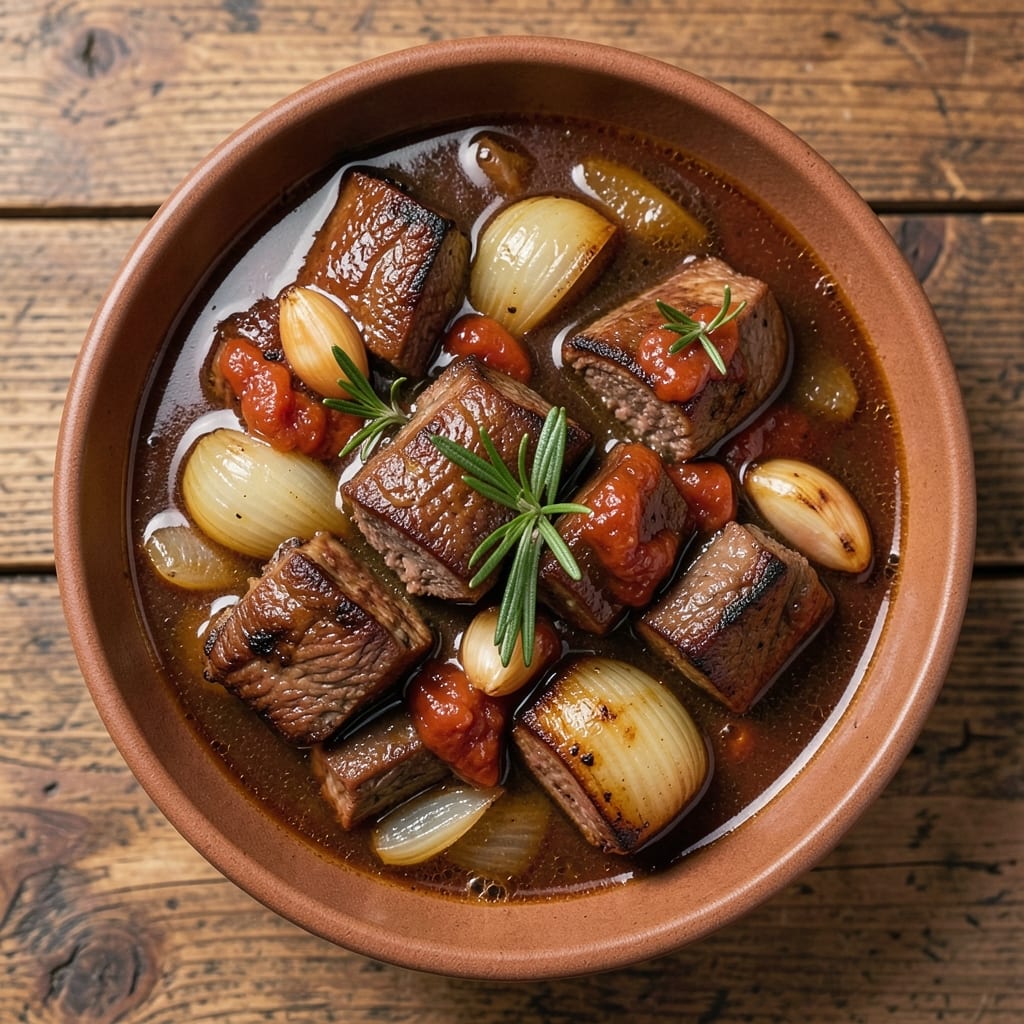
This Bavarian beef stew recipe delivers the rich, malty depth of dark beer and caramelized onions that define traditional German comfort food. 🔥 The secret lies in slow simmering—where tough beef transforms into tender, melt-in-your-mouth bites while absorbing the deep flavors of the broth. What sets this apart is the layered approach: first caramelizing onions until golden, then building the stew with aromatic spices and a splash of dark beer for that signature Bavarian character.
The recipe balances hearty root vegetables with tender beef, creating a dish that's both rustic and refined. You'll start with a deep, flavorful base from onions and garlic, then let the beef and vegetables simmer for hours until everything is perfectly tender. The result is a stew so rich and satisfying it becomes the centerpiece of any meal—especially when paired with crusty bread or fluffy dumplings to soak up every last drop of that aromatic broth.
What makes this recipe work is the patience required in the cooking process. The slow simmer breaks down the beef while allowing the flavors to meld together, creating a depth that can't be rushed. Each bite delivers a perfect balance of savory, slightly sweet, and malty notes, making it a dish that feels both comforting and special. This is the kind of stew that warms the soul and fills the house with an irresistible aroma.
Perfect for chilly evenings or family gatherings, this Bavarian beef stew serves as both a main dish and a conversation starter. The recipe is designed to be approachable for home cooks while delivering restaurant-quality results. Whether you're serving it to guests or treating yourself to a cozy night in, this stew is sure to become a staple in your cooking repertoire.
Ingredients for bavarian beef stew
Rich, malty flavors from dark beer and caramelized onions create this hearty Bavarian stew.
| Ingredient | Amount | Notes |
|---|---|---|
| Chuck Roast 🥩 | 3 lb | Well-marbled for tenderness |
| Yellow Onions 🧅 | 3 whole | Yellow or red, peeled |
| Garlic Cloves 🧄 | 6 cloves | Freshly minced for aroma |
| Dark Beer 🍺 | 2 cups | Dortmunder or Munich dark |
| Beef Broth 💧 | 4 cups | Low-sodium preferred |
| Tomato Paste 🍅 | 2 tbsp | Smooth, not chunky |
| Carrots 🥕 | 4 whole | Medium size, peeled |
| Celery Stalks 🌿 | 3 whole | Trimmed, chopped |
| Bay Leaves 🌿 | 2 whole | Fresh preferred |
| Thyme Sprigs 🌿 | 4 whole | Fresh, stems removed |
| Black Peppercorns 🌶️ | 1 tsp | Freshly cracked |
| Salt 🧂 | 2 tsp | Kosher or sea salt |
| All-Purpose Flour 🌾 | 1 tbsp | For thickening |
| Olive Oil 🫒 | 2 tbsp | For caramelizing onions |
The chuck roast is non-negotiable—its marbling melts into the stew, creating that signature Bavarian richness. Costco or Walmart often carry pre-cut chuck roast, but if buying whole, ask the butcher to trim excess fat. For the onions, yellow or red work best—they caramelize beautifully. If you're short on time, pre-chopped frozen onions (thawed) save steps without sacrificing flavor. The beer should be dark and malty—Dortmunder or Munich Dark are ideal, but any dark lager in a bottle works. Avoid light beers or those with artificial flavors.
No dark beer? Substitute with extra beef broth and 1 tbsp molasses—it adds the caramel depth. Fresh thyme is ideal, but dried thyme at one-third the amount works in a pinch. For the tomato paste, Trader Joe's squeeze tubes are perfect—they're convenient and keep for months. The carrots and celery can be baby or regular, but organic is worth it if you're not peeling them. If you're making this ahead, pre-chop all vegetables and store in airtight containers for up to 3 days.
This stew tastes even better the next day—plan ahead. Store in an airtight container in the fridge for 4-5 days or freeze for 3 months. For serving, reheat gently on the stove with a splash of broth to restore moisture. The longer it simmers, the deeper the flavors develop. Double the recipe if you're feeding a crowd—it's that good.
Why You'll Love This Recipe
- One-Pot Magic: I swear by this—just toss everything in one pot and walk away. The chuck roast practically melts into itself while the onions caramelize without a single extra pan to scrub.
- Beer-Infused Richness: That dark beer isn’t just for drinking—it’s the secret weapon. It deepens the broth into something so bold and malty, you’ll want to sip it like a sauce. (Yes, I’ve been tempted.)
- Weeknight to Potluck: Make a double batch on Sunday, and you’ve got dinner covered for the week—or bring it to a gathering where everyone else is stressing over casseroles. It reheats like a dream, too.
- Budget-Friendly Feast: Chuck roast is cheap, but this stew tastes like a steakhouse. Honestly, I’ve served it to picky eaters, and even they ask for seconds. That’s the kind of reliable, satisfying meal that stretches your grocery budget without stretching your patience.
Step-by-step instructions for Bavarian beef stew
Master this rich, slow-cooked classic with layers of caramelized flavor and tender beef.
🍳 Step 1: Sear the Chuck Roast for Deep Flavor
Pat the 3 lb chuck roast dry with paper towels—this ensures a proper sear. Heat a large Dutch oven over medium-high heat and add the 2 tbsp olive oil. Once shimmering, add the beef and sear on all sides for 4-5 minutes per side until deeply browned. Don't rush this step; the Maillard reaction creates the stew's foundation.
Remove the beef and set it aside. The browned bits (fond) will dissolve into the stew later, adding layers of flavor. If needed, add a little more olive oil to the pot to prevent sticking during the next step.
👨🍳 Step 2: Caramelize Onions and Build the Aromatic Base
In the same Dutch oven, add 2 whole yellow onions, sliced into ¼-inch rounds. Cook over medium heat for 15-20 minutes, stirring occasionally, until they turn a deep golden brown. This slow caramelization is key—it should take patience, but resist the urge to rush. You'll know it's ready when the onions smell sweet and rich.
Add the 6 cloves garlic cloves, minced, and cook for 30 seconds until fragrant. Stir in the 2 tbsp tomato paste and cook for 1 minute to deepen the flavor. This base will form the heart of your stew's complex taste profile.
🥘 Step 3: Deglaze and Simmer the Stew
Pour in the 2 cups dark beer, scraping up any browned bits from the bottom of the pot. Let it simmer for 3-4 minutes until the alcohol cooks off and the liquid reduces slightly. Add the 4 cups beef broth, 2 whole bay leaves, 4 whole thyme sprigs, 1 tsp black peppercorns, and 2 tsp salt. Bring to a gentle boil, then reduce heat to low and return the beef to the pot.
Cover and let it simmer for 2 hours, stirring occasionally. The stew should bubble gently—this slow cook ensures the beef becomes fork-tender while absorbing all the rich flavors. If the liquid reduces too much before the beef is tender, add a splash of water or broth.
🥘 Step 4: Add Vegetables and Finish Cooking
Peel and cut the 4 whole carrots into 1-inch chunks and trim the 3 whole celery stalks into ½-inch pieces. Add them to the stew along with the 1 tbsp all-purpose flour, which will help thicken the sauce slightly. Stir well to combine, then return to a simmer for another 30-45 minutes until the vegetables are tender and the stew reaches your desired consistency.
Taste and adjust seasoning—you may need a little more salt or pepper to balance the flavors. The stew should be rich, hearty, and deeply aromatic, with the beef falling apart easily when pierced with a fork.
⏰ Step 5: Rest and Serve
Let the stew rest for 10-15 minutes off the heat before serving. This allows the flavors to meld and the juices to redistribute, ensuring each bite is packed with richness. Skim off any excess fat if desired, though it adds flavor and moisture.
Serve the stew hot, with crusty bread to soak up the delicious sauce. The deep, malty notes from the dark beer, the sweetness of the caramelized onions, and the tender beef create a Bavarian classic that's perfect for chilly evenings.
Pro Tips For Making Bavarian Beef Stew
- SEAR THE ROAST FIRST: High heat for 3-4 minutes per side—don’t rush this. The crust locks in flavor and keeps the meat from falling apart later, especially with chuck roast’s tougher cuts. (Yes, even if you’re impatient like me.)
- PEEL AND SLICE ONIONS THIN: A mandoline makes this easy, but a sharp knife works too—aim for ⅛-inch slices. Thinner layers cook faster and dissolve into the stew without turning mushy. I used to chop them too thick, and they’d just sit there like stubborn rocks.
- DEGLAZE WITH BEER IMMEDIATELY: After searing the onions and garlic, pour in the dark beer right away—don’t let those browned bits sit. A quick splash of broth helps scrape up the fond, which is where half the flavor hides. (Your future self will thank you.)
- SIMMER LOW AND COVERED: Keep the heat at a bare simmer (tiny bubbles, not a rolling boil) and cover the pot for the first 2 hours. This tenderizes the chuck without drying it out. After that, you can uncover it—just watch the liquid level.
Perfect pairings for this dish
Crusty Bread Pairing
Nothing complements Bavarian beef stew like a crusty German rye bread or sourdough loaf. The dense texture soaks up the rich, malty broth beautifully while adding a subtle tang. I love using Pumpernickel for its deep flavor and hearty bite—it’s a classic pairing in Bavaria. For extra authenticity, toast the bread lightly before serving to enhance its crunch. 🥖
Fluffy Dumplings
Traditional Bavarian spaetzle or semmelknödel dumplings are a must-try side. These soft, pillowy dumplings melt in your mouth and absorb the stew’s flavors like a sponge. For a shortcut, use store-bought spaetzle (like Kuhn’s or Eden Foods) and boil for 2-3 minutes before adding to the stew. Serve them alongside or spooned directly into bowls for a comforting bite.
Pickled Vegetables
Bright, tangy pickles cut through the stew’s richness and add a refreshing contrast. Sauerkraut or pickled red cabbage are traditional choices, but even dill pickles work in a pinch. I like serving homemade pickled onions (quick-pickled in vinegar, sugar, and mustard seeds) for a burst of acidity. A few spoonfuls per bowl elevate the dish to restaurant quality. 🥬
Dark Beer or Wine
A dark lager or German red wine like Spätburgunder (Pinot Noir) enhances the stew’s malty depth. For beer lovers, Dortmunder Export or Weihenstephaner complement the flavors perfectly. If you prefer wine, a medium-bodied Riesling with its citrus notes balances the richness. Avoid heavy reds—they can overpower the delicate beer and onion flavors. 🍷
Garnishes for Freshness
Finish each bowl with a sprinkle of fresh parsley or chives for brightness. A drizzle of sour cream or crème fraîche adds a cooling contrast, while crispy fried onions (tossed in butter and paprika) bring a delightful crunch. These simple touches make the stew feel special without overpowering its hearty profile. ✨
Cheese Board Finish
For a shareable spread, serve the stew with a Bavarian-style cheese board featuring Emmental, Gouda, and Limburger. The sharp, nutty cheeses pair beautifully with the stew’s savory notes. Add apple slices and walnuts for a touch of sweetness and texture. This makes the meal feel like a festive gathering. 🧀
Nutrition facts
Frequently asked questions
Can I substitute dark beer with something else if I don't drink alcohol?
Replace the 2 cups dark beer with a mix of 2 cups beef broth and 1 tbsp molasses for caramel depth. For extra richness, add 1 tsp malt vinegar or 1 tsp liquid smoke to mimic the beer's malty notes. The stew will still be flavorful without the alcohol.
How do I make this stew in a slow cooker instead of a Dutch oven?
Follow the same steps for searing the beef, then transfer everything to a 6-quart slow cooker. Simmer on low for 8 hours or high for 5-6 hours until the beef is tender. Add the vegetables and flour in the last 30 minutes of cooking. The slow cooker's gentle heat works perfectly for breaking down the beef while keeping the flavors rich.
What's the best way to reheat leftover Bavarian beef stew?
Reheat gently on the stove over medium-low heat for 10-15 minutes, stirring occasionally and adding a splash of beef broth or water if it gets too thick. Avoid microwaving—it can make the beef tough. For best results, reheat only what you'll serve immediately to maintain the stew's texture.
Why does my stew taste too bitter or metallic?
Bitterness often comes from overcooking the onions or using too much tomato paste. For next time, caramelize onions over medium heat (not high) and reduce tomato paste to 1 tbsp. Metallic taste usually means the beef was overcooked—simmer for 2 hours max (not 3+). If it happens, stir in ½ tsp sugar or 1 tsp lemon juice to balance flavors.
Can I make this stew ahead of time for a party?
This stew tastes even better the next day! Prepare it 1-2 days ahead and store in an airtight container in the fridge. Reheat gently before serving. For parties, double the recipe—it's that good. The flavors deepen overnight, making it perfect for gatherings. Serve with sides like dumplings or crusty bread for a complete meal.