
Main Courses
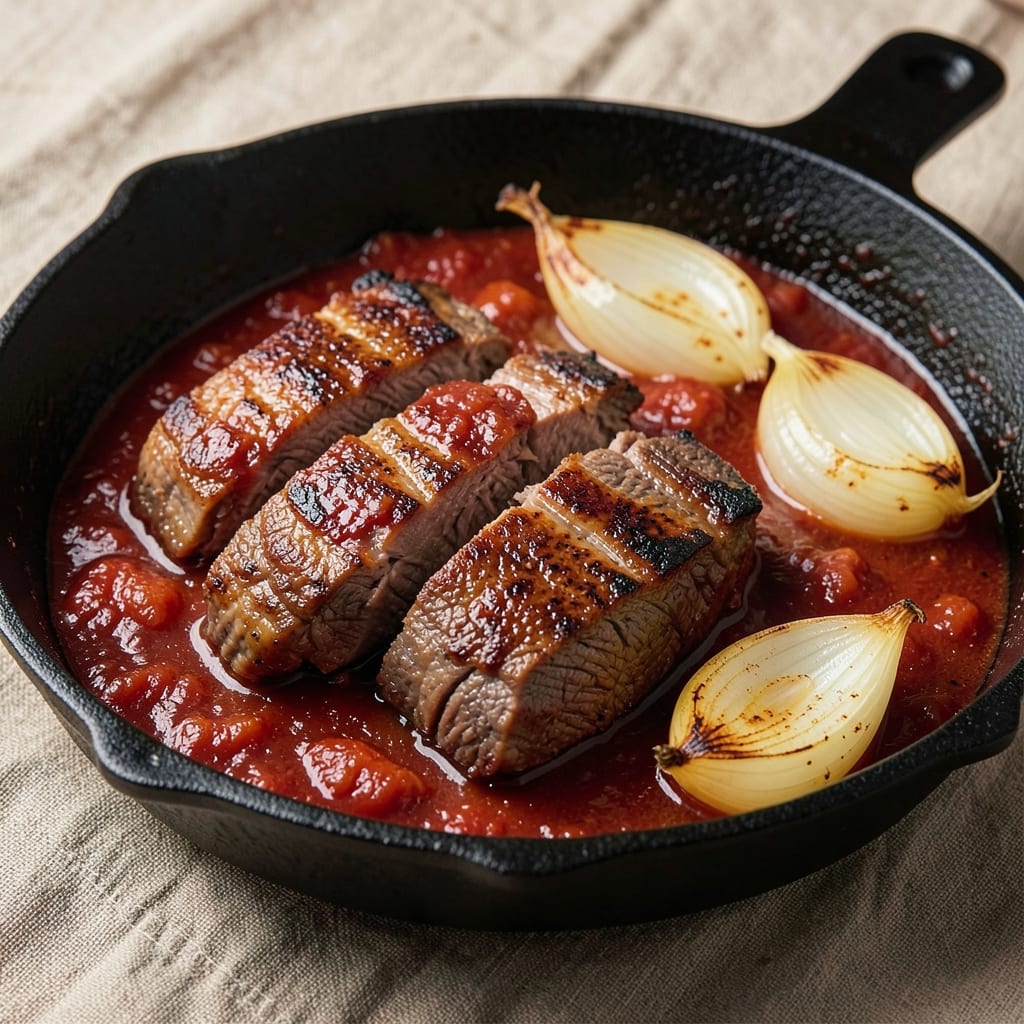
This Bavarian beef goulash recipe delivers deep, paprika-rich flavors in a single pot, transforming tough beef into tender, melt-in-your-mouth perfection. The secret lies in slow cooking with aromatic spices and fresh herbs, creating a hearty stew that tastes like a homey German restaurant. What makes this version special is the balance of sweet paprika and tangy tomatoes, which build complex flavors as they simmer together.
With just a few simple ingredients—chuck roast, onions, garlic, and a blend of paprika and other spices—you'll create a dish that's both comforting and impressive. The beef becomes fork-tender while absorbing all the rich, savory flavors, and the sauce thickens into a velvety consistency that coats every bite. This recipe serves as a complete meal, perfect for cold evenings when you crave something warm and satisfying.
By the time you're done, you'll have a steaming pot of Bavarian goulash with deep red hues and an aroma that fills your kitchen. The beef will pull apart easily, the vegetables will be tender yet still hold their shape, and the sauce will be thick enough to cling to dumplings or crusty bread. It's the kind of dish that gets better with each bite and leaves everyone asking for seconds.
Serve this goulash with fresh bread or buttery spaetzle to soak up every last drop of that flavorful sauce. The combination of tender beef, aromatic vegetables, and rich spices makes this more than just a stew—it's a comforting, hearty meal that brings warmth to any table. Let's get cooking!
Ingredients for bavarian beef goulash
Paprika, red wine, and tender beef transform into rich Bavarian goulash.
| Ingredient | Amount | Notes |
|---|---|---|
| Chuck Roast 🥩 | 2 lb | Well-marbled for tenderness |
| Yellow Onion 🧅 | 2 whole | Chopped into half-moons |
| Garlic Cloves 🧄 | 4 cloves | Minced for aromatic depth |
| Sweet Paprika 🌶️ | 2 tbsp | Hungarian preferred for color |
| Smoked Paprika 🌶️ | 1 tbsp | For subtle smokiness |
| Tomato Paste 🍅 | ½ cup | Squeeze tube works fine |
| Beef Broth 💧 | 3 cups | Low-sodium preferred |
| Red Wine 🍷 | 1 cup | Bold dry variety |
| Fresh Thyme 🌿 | 2 sprigs | Or 1 tsp dried |
| Fresh Parsley 🌿 | ¼ cup | Chopped for garnish |
| Bay Leaves 🌿 | 2 whole | Remove before serving |
| Carrots 🥕 | 3 medium | Sliced into rounds |
| Potatoes 🥔 | 2 medium | Cubed for heartiness |
| Olive Oil 🫒 | 2 tbsp | For initial searing |
| Salt 🧂 | 1 ½ tsp | Kosher or sea salt |
| Black Pepper 🌶️ | ½ tsp | Freshly ground |
The chuck roast is the star—look for well-marbled cuts at the butcher counter. Costco or Whole Foods usually have great options, but any grocery store with a meat department will work. If you're buying a whole roast, ask for it to be cut into 1.5-inch cubes for even cooking. The paprika makes or breaks this dish—Hungarian sweet and smoked give the best color and flavor. I grab mine in bulk from Penzeys, but the regular grocery store jars are fine too. Fresh herbs matter here—thyme and parsley add brightness that dried spices can't match.
No red wine? Beef broth with a splash of balsamic vinegar works in a pinch. Fresh thyme is ideal, but dried works at one-third the amount. The tomato paste can be from a squeeze tube if that's what you've got—it's more convenient and lasts longer. For the potatoes, russets or Yukon golds hold up best to long cooking. If you're short on carrots, substitute with celery or bell peppers for a different flavor profile. The beef broth should be low-sodium so you can control the seasoning. If you can't find low-sodium, just dilute regular broth with water.
This goulash tastes even better the next day—honestly, the flavors meld more overnight. Keeps in the fridge for 5-6 days and freezes beautifully for 3 months. I like to portion it into containers so I can grab a meal for lunch all week. For serving, a sprinkle of fresh parsley adds a pop of color. The sauce thickens as it cools, so you might need to add a splash of broth if it seems too thick when reheating. Serve with crusty bread or spaetzle to soak up all that rich sauce.
Why You'll Love This Recipe
- One-Pot Magic: I swear by this recipe when I’m too tired to wash dishes—just brown the chuck roast, toss in onions and garlic, then let the paprika work its slow-cooked wonder. The meat practically falls apart on its own, and you’re left with one pot to scrub.
- Smoky Depth Bomb: That combo of sweet and smoked paprika? It’s what turns this into something special. The chuck roast soaks up the rich, earthy flavors until every bite has this perfect balance—warm, slightly sweet, with a hint of smoldering depth that lingers.
- Leftovers for Days: Between us, this makes way more than I can eat in one sitting. The flavors actually get better the next day as the paprika mellows into the meat, and it reheats like a dream—ideal for lunches or when I need to feed a crowd without stress.
- Budget Hero: Chuck roast is my go-to for stretching meals without sacrificing taste. A few simple ingredients stretch into a hearty, satisfying dinner that costs next to nothing—plus, the paprika adds that restaurant-quality touch without breaking the bank.
Step-by-step instructions for Bavarian beef goulash
Here's how to create a hearty, paprika-rich goulash that simmers into perfect tenderness.
Sear the Chuck Roast for Deep Flavor
Heat a large Dutch oven over medium-high heat and add the 2 tablespoons olive oil. Once shimmering, place the 2 lb chuck roast in the pot, fat-side down. Let it sear undisturbed for 5-6 minutes until a deep golden-brown crust forms—this locks in juices and builds rich flavor. Flip the roast and sear the other side for another 4-5 minutes.
While the roast browns, remove it from the pot and set aside. The reason for this thorough searing is simple: those caramelized bits at the bottom of the pot (fond) dissolve into the sauce later, creating that unmistakable goulash depth. Don't rush this step—patience now means flavor later.
Build the Aromatic Base with Onions and Garlic
In the same Dutch oven, add the 2 whole yellow onions (chopped into half-moons) and cook for 5-6 minutes until softened and beginning to caramelize. Stir occasionally to prevent burning. Add the 4 cloves minced garlic and cook for another 30 seconds until fragrant—you'll know it's ready when your kitchen smells like a Bavarian tavern.
Here's where the paprika magic begins: Sprinkle in the 2 tablespoons sweet paprika and 1 tablespoon smoked paprika, stirring constantly for 30 seconds to toast the spices. This step develops their natural oils and warm, earthy flavors that define goulash. Don't skip this—raw paprika tastes bitter and flat.
Deglaze and Simmer the Base
Pour in the 1 cup red wine and scrape up all those browned bits from the bottom of the pot with a wooden spoon. Let the wine simmer for 2-3 minutes until reduced by half. This deglazing step captures all that concentrated flavor from the searing.
Add the 0.5 cup tomato paste, 3 cups beef broth, 1.5 teaspoons salt, and 0.5 teaspoon black pepper. Stir well to combine, then return the chuck roast to the pot. Bring everything to a gentle boil, then reduce heat to low and cover partially. Let it simmer for 1 hour—this long cook time breaks down the tough meat fibers into tender perfection.
Add Vegetables and Seasonings
After the initial 1 hour of simmering, add the 3 medium carrots (sliced into rounds), 2 medium potatoes (cubed), 2 sprigs fresh thyme, and 2 whole bay leaves. Stir gently to distribute the vegetables evenly throughout the liquid. The potatoes should be fully submerged—if not, add a splash of water.
Continue simmering uncovered for another 30-40 minutes until the vegetables are fork-tender and the meat is effortlessly shreddable. The sauce should have thickened slightly, coating the vegetables and meat in a rich, paprika-infused glaze. Taste and adjust seasoning if needed—this is where you can really customize the dish to your preference.
Finish and Garnish
Once everything is tender, remove the chuck roast and shred it directly in the pot using two forks. Discard the bay leaves and thyme sprigs. Return the shredded meat to the pot and stir to combine. The goulash should be thick enough to coat the back of a spoon, but still have a slightly saucy consistency.
For serving, ladle the goulash into bowls and garnish each portion with 0.25 cup chopped fresh parsley. The parsley adds a bright, fresh contrast to the rich, paprika-kissed flavors. Serve immediately with crusty bread to soak up every last bit of that delicious sauce—you'll want seconds, I promise.
Pro Tips For Making Bavarian Beef Goulash
- SEAR THE ROAST HARD: Chuck roast needs a crust to hold up during slow cooking, so don’t be shy with the heat. Walk it around the pan for 5-6 minutes until deep brown—yes, it’ll look charred, but that’s how you lock in flavor. I used to rush this and end up with mushy meat later.
- SWEAT ONIONS LOW AND SLOW: Diced onions turn bitter if they burn, and that’s the last thing you want in goulash. Cook them on medium-low for 8-10 minutes, stirring occasionally, until they’re translucent and just starting to caramelize. Skipping this step means your paprika won’t shine.
- USE HALF THE GARLIC: Smoked paprika already packs a punch, so overdoing garlic can make the dish taste like a spice shop. Crush 3 cloves (not 6) and add them after the onions soften—this keeps the balance right. I learned this after a batch tasted like a sausage, not goulash.
- REST THE MEAT FIRST: Pat the chuck roast dry, then let it sit at room temp for 20-30 minutes before searing. Cold meat steams instead of browns, and that’s a one-way ticket to bland goulash. (Yes, even if you’re impatient like me.)
Wine and beer pairings for this bavarian beef goulash
German Red Wine
Bavarian goulash pairs beautifully with a bold German red wine like Spätburgunder (Pinot Noir) from Baden or Dornfelder from the Pfalz. These wines have enough acidity and earthy notes to complement the paprika and beef without overpowering the dish. I love Dr. Loosen Blue Slate—its dark fruit and subtle spice mirror the goulash's depth. 🍷
Hungarian Dry Red
For a more traditional pairing, reach for a Hungarian dry red like Egri Bikavér or Kékfrankos. These wines have a rustic, slightly smoky character that enhances the goulash's paprika and tomato richness. A 2019 Egri Bikavér from Villány pairs perfectly with the dish's hearty flavors. The tannins stand up to the beef while the fruitiness balances the spices.
Crisp White Options
If you prefer white wine, a dry Riesling from Germany's Mosel region cuts through the richness beautifully. Look for a Kabinett or Spätlese—the bright acidity and citrus notes refresh your palate between bites. Dr. Loosen Blue Slate Riesling is my go-to; it's crisp, mineral-driven, and never cloying. 🍷
Beer Pairings
A German Dunkel beer like Ayinger Altbairisch Dunkel or Weihenstephaner Hefeweissbier works wonderfully. The malty sweetness and caramel notes complement the goulash's depth, while the effervescence cleanses your palate. For a lighter option, try a Pilsner like Warsteiner—its crisp, clean finish balances the dish's richness.
Avoid Heavy Reds
Skip bold, high-tannin reds like Cabernet Sauvignon or Syrah—they'll clash with the goulash's delicate paprika and tomato flavors. Even Zinfandel can be too jammy. Instead, opt for wines with moderate tannins and bright acidity to let the dish shine. The goal is harmony, not competition!
Non-Alcoholic Option
For a non-alcoholic pairing, try sparkling apple cider like Martinelli's or a ginger beer with a hint of honey. The effervescence and slight sweetness complement the goulash's savory depth. A German wheat beer (Weissbier) with a splash of lemon also works—just skip the alcohol if you prefer! 🍹
Nutrition facts
Frequently asked questions
Can I substitute chuck roast with another beef cut?
Yes, but choose wisely! Brisket or short ribs work well—they're tough cuts that benefit from long cooking. Avoid lean cuts like sirloin, as they'll dry out. For best results, use a cut with good marbling and cut it into 1.5-inch cubes for even cooking.
How do I make this goulash thicker?
Simmer uncovered for 10-15 extra minutes to reduce the sauce naturally. If it's still too thin, mix 1 tablespoon cornstarch with 2 tablespoons cold water, stir into the pot, and cook for 2 minutes until thickened. Avoid over-thickening—you want a sauce that coats but remains saucy.
Can I make this recipe in a slow cooker?
Brown the meat and onions in a skillet first, then transfer everything to the slow cooker. Cook on low for 7-8 hours or high for 4-5 hours. The slow cooker's gentle heat ensures tender meat and perfectly cooked vegetables. Just add the potatoes and carrots during the last 1 hour of cooking.
Why does my goulash taste bitter?
Bitter flavor usually comes from overcooked paprika or too much tomato paste. Toast the paprika for only 30 seconds—don't let it burn. If the sauce tastes bitter, stir in 1 teaspoon sugar or a splash of red wine to balance it. Also, ensure your beef broth isn't too salty.
What's the best way to reheat leftover goulash?
Reheat gently on the stove over low heat with a splash of beef broth to prevent drying. Stir frequently and cover with a lid. If using the microwave, heat in 1-minute intervals, stirring between each. Leftover goulash tastes even better reheated—it's when the flavors truly meld!