
Main Courses
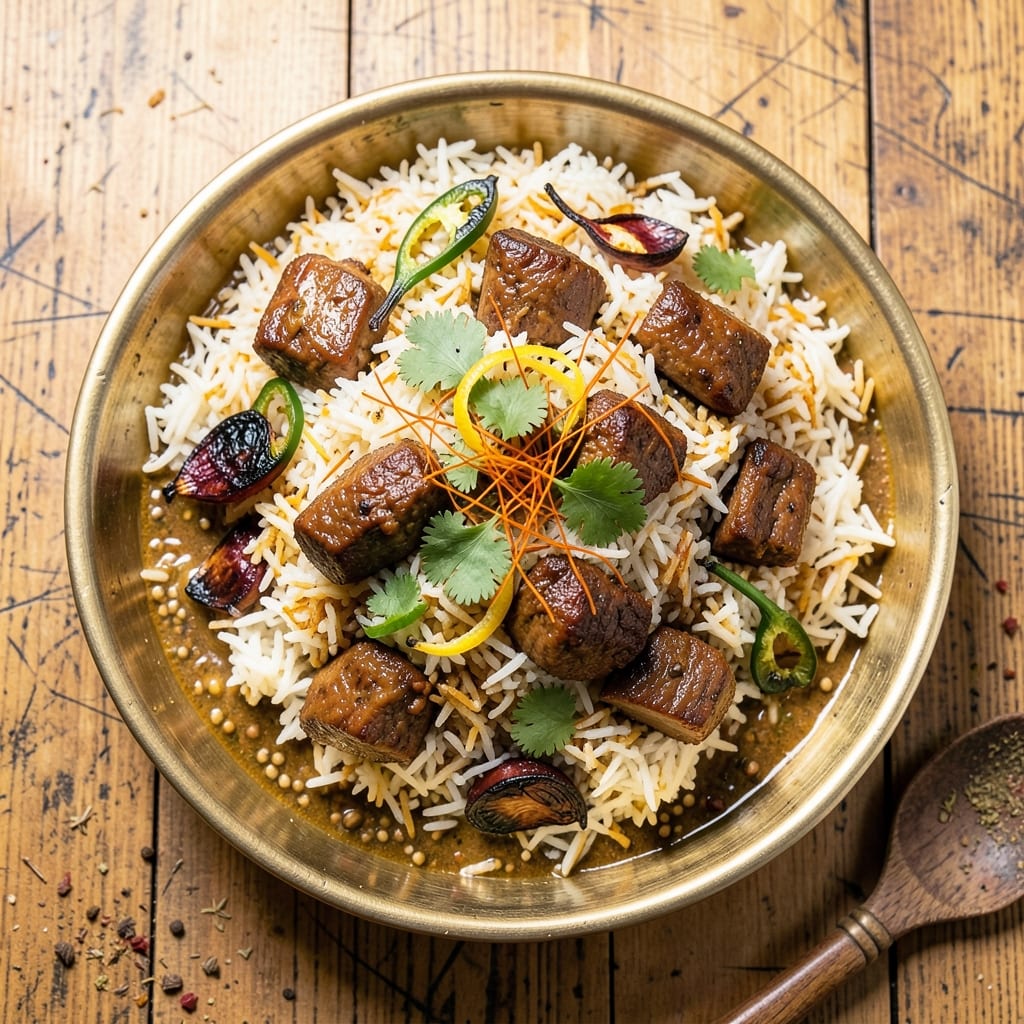
This Bangladeshi beef biryani recipe transforms simple ingredients into a fragrant, layered masterpiece that captures the heart of Bangladeshi cuisine. The marriage of tender beef and aromatic basmati rice, slow-cooked with whole spices, creates a dish so rich in flavor it feels like a celebration. What sets this version apart is the traditional parboiling technique and careful layering that delivers restaurant-quality results at home.
The secret lies in the marination—beef simmered with yogurt, ginger, and a blend of warm spices like cinnamon and cardamom until it's impossibly tender. The rice absorbs the essence of saffron, bay leaves, and fried onions, creating that signature golden hue and nutty aroma. Every layer—from the spiced meat to the fragrant rice—builds depth that makes this dish unforgettable.
By the time you serve this biryani, your kitchen will smell like a Dhaka restaurant, and every bite will reveal the harmony of flavors: the slight sweetness of caramelized onions, the warmth of spices, and the melt-in-your-mouth tenderness of the beef. The final touch—crispy fried onions and fresh mint—elevates it from ordinary to extraordinary.
Perfect for special occasions or weeknight dinners, this recipe scales beautifully and reheats even better. Whether you're serving guests or treating yourself, this biryani delivers the soul of Bangladesh in every mouthful. Let's get cooking!
Ingredients for bangladeshi beef biryani
Sixteen ingredients transform into a fragrant biryani that captures Bangladesh's culinary soul.
| Ingredient | Amount | Notes |
|---|---|---|
| Chuck Roast Beef 🥩 | 2 ½ lb | Cut into 1.5-inch cubes, bone-in preferred |
| Plain Yogurt 🥛 | 1 cup | Full-fat Greek yogurt preferred |
| Basmati Rice 🍚 | 2 cups | Long-grain, uncooked weight |
| Saffron Threads 🌼 | ¼ tsp | High-quality, crushed between fingers |
| Ginger Root 🧄 | 2 tbsp | Freshly grated, not pre-minced |
| Garlic Cloves 🧄 | 8 whole | Peeled, crushed with side of knife |
| Yellow Onions 🧅 | 2 whole | Thinly sliced, some reserved for frying |
| Bay Leaves 🍃 | 2 whole | Fresh preferred, dried acceptable |
| Cinnamon Sticks 🌿 | 2 whole | 2-inch pieces, lightly crushed |
| Cardamom Pods 🌿 | 6 whole | Green, lightly crushed |
| Cloves 🌿 | 4 whole | Whole, lightly crushed |
| Black Peppercorns 🌶️ | 1 tsp | Crushed in mortar and pestle |
| Vegetable Oil 🫒 | ½ cup | High smoke point for frying |
| Fresh Mint Leaves 🌿 | ½ cup | Chopped, stems removed |
| Lemon Juice 🍋 | 2 tbsp | Freshly squeezed |
The beef selection is critical—chuck roast delivers that signature melt-in-your-mouth tenderness after hours of slow cooking. Look for cuts with good marbling at Whole Foods or your local butcher shop, where they can often source premium beef. The spices should be whole, not ground: Penzeys Spices carries excellent quality cardamom and cloves, but the bulk bins at Trader Joe's work perfectly for this recipe. Fresh ginger and garlic make all the difference—don't use the pre-minced jarred versions. For the saffron, splurge on the finest threads you can find; it's worth every penny for that signature golden hue. The basmati rice should be long-grain and uncooked weight—never pre-cooked or instant rice.
No chuck roast? Brisket or short ribs work well, though cooking times may vary. Running short on yogurt? Substitute with heavy cream or coconut yogurt, though the tang will be slightly different. The whole spices can be toasted lightly in a dry pan before adding to the meat—this intensifies their flavors dramatically. For the fried onions, caramelize them until deep golden brown (about 15 minutes), then set aside. The mint can be swapped for cilantro if preferred, though purists will argue it's not quite the same. If you're using dried spices instead of whole, reduce the amount by one-third—whole spices release their flavors more gradually during cooking. The lemon juice adds brightness; if you're serving with raita, you can reduce it to 1 tablespoon.
This biryani tastes even better the next day as the flavors meld together. Store leftovers in an airtight container in the refrigerator for up to 5 days, or freeze for 3 months by wrapping tightly in foil. The rice will dry out if reheated directly, so cover with a damp towel and warm gently in the microwave. For serving, garnish with extra fried onions and fresh mint leaves. The dish reheats beautifully—simmer on low heat with a splash of water or broth to restore moisture. Make ahead for gatherings: assemble the layers, cover with foil, and refrigerate until ready to cook, then proceed with the dum cooking method.
Why You'll Love This Recipe
- One-Pot Magic: I swear by this recipe because it’s basically hands-off after the initial prep. The beef marinates in yogurt overnight (or even 4 hours if you’re in a rush), so all you’re doing the next day is layering flavors and letting the rice steam—no constant stirring or stressing over timing.
- Saffron Kiss: That first whiff of saffron-infused rice is worth the effort. It’s not just "flavor"—it’s this golden, floral warmth that turns an ordinary meal into something that feels like a celebration. (Yes, even on a Tuesday night.)
- Budget Feast: Chuck roast is forgiving and affordable, and a single batch stretches for days. I’ve fed six people with leftovers that taste just as rich the next day—no sad, dry rice here, thanks to the yogurt keeping everything moist.
- Weeknight Hero: Between us, this is my go-to when I don’t want to slave over dinner. The ginger and yogurt marinade does most of the work, and the rice cooks while the beef simmers. Cleanup? One pot, one spatula, done. (Not the prettiest, but the taste makes up for it.)
Step-by-step instructions for Bangladeshi beef biryani
Master the layered technique that makes authentic biryani shine with tender beef and fragrant saffron rice.
Marinate the Beef for Deep Flavor
In a large bowl, combine the 2.5 lb chuck roast beef cut into 1.5-inch cubes with the 1 cup plain yogurt, 2 tbsp freshly grated ginger root, 8 crushed garlic cloves, 2 tbsp lemon juice, and 1 tsp crushed black peppercorns. Mix thoroughly until every piece is evenly coated in the marinade.
Add the 2 whole bay leaves, 2 lightly crushed cinnamon sticks, 6 lightly crushed cardamom pods, and 4 whole cloves to the bowl. Let the beef marinate in the refrigerator for at least 4 hours, preferably overnight. This extended marination ensures maximum tenderness and allows the spices to deeply penetrate the meat.
Prepare the Saffron Rice Infusion
In a small bowl, crush the 0.25 tsp saffron threads between your fingers using the back of a spoon. This releases the vibrant color and aromatic oils. Add the crushed saffron to 1 cup hot water and let it steep for 10 minutes. The water should turn a beautiful golden hue—this is your saffron infusion.
Rinse the 2 cups basmati rice thoroughly under cold water until the water runs clear. This removes excess starch that could make the rice gummy. Drain well and set aside. In a large pot, combine the drained rice with 4 cups water and bring to a boil. Once boiling, reduce heat to low, cover, and simmer for 10 minutes. Remove from heat and let it sit covered for 10 minutes—this steaming process creates perfectly fluffy grains.
Cook the Marinated Beef
Heat 0.25 cup vegetable oil in a heavy-bottomed pot over medium-high heat. Add 1 whole thinly sliced yellow onion and fry until golden brown, about 5 minutes. Remove the onions with a slotted spoon and set aside for garnish. In the same pot, add the marinated beef and cook for 8-10 minutes, stirring occasionally, until the meat is browned on all sides but still slightly undercooked.
Add 1 cup water to the pot with the beef. Bring to a simmer, then reduce heat to low, cover, and cook for 45 minutes or until the beef is fork-tender. The meat should be moist but not falling apart. Remove the beef from the pot and set aside with the cooking liquid.
Layer and Dum Cook the Biryani
In a heavy-bottomed pot with a tight-fitting lid (traditionally called a "handi"), spread half of the partially cooked rice evenly across the bottom. Arrange half of the cooked beef cubes on top of the rice, slightly overlapping them. Sprinkle half of the 0.5 cup chopped fresh mint leaves over the beef.
Add the remaining rice and beef in the same layered fashion. Pour the reserved beef cooking liquid and saffron infusion over the top, ensuring everything is moistened. Dot the surface with the remaining 0.25 cup vegetable oil and seal the pot tightly with the lid. Cook over low heat for 20 minutes, then turn off the heat and let it rest for 10 minutes. This dum cooking method traps steam, infusing the layers with incredible flavor.
Finish and Serve with Garnishes
Gently fluff the biryani with a fork, being careful not to break the grains. The rice should be tender with a slight bite, and the beef should be juicy and infused with all the aromatic spices. Transfer to a large serving platter, garnishing with the fried onions, remaining 0.25 cup chopped fresh mint leaves, and a sprinkle of lemon juice for brightness.
Serve immediately with raita or a simple cucumber salad to complement the rich, spiced flavors. Each bite should deliver a perfect balance of tender beef, fragrant saffron rice, and complex spice notes that define authentic Bangladeshi biryani.
Pro Tips For Making Bangladeshi Beef Biryani
- Marinate Beef Overnight: I learned this the hard way—skipping the overnight soak means tougher meat, even with chuck roast. Mix yogurt, ginger, and a pinch of salt, then coat the beef and let it sit in the fridge for at least 12 hours. The acid tenderizes better than any last-minute rub.
- Toast Rice Before Layering: Basmati rice needs that nutty base before it absorbs flavors. Dry-toast it in ghee or oil for 2 minutes until golden—just until you smell it, not burn it. This step keeps the grains separate and soaks up the biryani’s rich spices like a sponge.
- Steam Rice Separately: Yes, even if you’re impatient like me, resist the urge to cook rice and meat together. Parboil the rice until 70% done, drain, and spread it on a tray to cool. Layering damp rice on raw meat traps steam and turns your biryani into a soggy mess.
- Bloom Saffron in Warm Water: Skip the direct-in-rice approach—saffron’s magic fades fast. Crush the threads in 2 tablespoons warm water for 10 minutes, then strain. This ensures vibrant color and flavor without bitter residue. (And no, cold water won’t cut it.)
Troubleshooting perfect results
Rice Too Dry
If your biryani rice turns out dry, it’s usually from overcooking or insufficient moisture during the dum process. First, ensure you’re using the correct 2:1 rice-to-water ratio (2 cups rice to 4 cups water) and parboiling for just 10 minutes before layering. During the 20-minute dum cook, keep the heat low—too high will evaporate moisture too quickly. For extra insurance, add 2-3 tablespoons of water or beef broth to the pot before sealing. 💧
Meat Not Tender
Tough beef is almost always a timing issue. The 45-minute simmer after browning is critical—don’t rush it! If your beef is still firm, extend the cooking time by 10-15 minutes or add ½ cup more water to the pot. For extra tenderness, marinate the beef overnight (not just 4 hours) and use chuck roast—it’s the best cut for biryani. A meat thermometer set to 195°F ensures perfect doneness.
Spices Too Strong
If the spices overwhelm the dish, you likely used too much of the whole spices (especially cardamom or cinnamon). Stick to the recipe’s exact amounts—2 cinnamon sticks, 6 cardamom pods, and 4 cloves—and lightly crush them (don’t grind). For milder heat, reduce the black peppercorns to ½ tsp or omit them entirely. Taste the beef after marinating; if it’s too spicy, rinse the cubes briefly under cold water before cooking. 🌿
Layers Not Holding
When the rice and beef separate during serving, it’s usually from improper layering or insufficient weight on top. Press each layer gently but firmly into the pot, and use a heavy lid (or even a cast-iron skillet on top) to keep everything in place during dum cooking. If your pot isn’t heavy enough, place a damp towel over the lid to create a seal. Avoid stirring after cooking—fluff with a fork instead to keep layers intact.
Burnt Onions or Rice
Burnt fried onions or scorched rice happen when heat is too high. Fry onions over medium heat until golden (5 minutes max), and never let the dum pot exceed low heat during the 20-minute sealed cook. If you see smoke, immediately reduce the heat or remove the pot from the burner. For extra protection, use a heavy-bottomed pot—like Lodge cast iron—to distribute heat evenly. 🔥
Lacking Aroma
A biryani without fragrance is missing the saffron infusion or whole spices. Always crush saffron threads between your fingers to release their oils, and steep in hot water for 10 minutes before adding to the rice. Toast the whole spices (cinnamon, cardamom, cloves) in a dry pan for 30 seconds before adding to the beef—this intensifies their aroma dramatically. If your kitchen isn’t perfumed, the biryani won’t be either! ✨
Nutrition facts
Frequently asked questions
What makes Bangladeshi beef biryani different from other regional versions?
Bangladeshi biryani stands out for its layered dum cooking technique and use of whole spices like cardamom, cinnamon, and cloves. Unlike Hyderabadi biryani (which uses saffron rice separately), Bangladeshi versions infuse the rice with saffron and bay leaves during cooking. The beef is marinated longer and cooked until fork-tender, creating a melt-in-your-mouth texture.
Can I make this biryani in a slow cooker or Instant Pot?
Yes, but with adjustments! For an Instant Pot, cook the beef on high pressure for 20 minutes after browning, then proceed with layering. For slow cookers, use low heat for 3 hours after browning the beef. The key is maintaining moisture—add ½ cup water before sealing. Dum cooking requires patience, but these methods work well for busy schedules.
How do I store and reheat leftover biryani?
Store leftovers in an airtight container for up to 5 days in the fridge. Reheat by covering with a damp towel and warming on low heat with 2-3 tablespoons of water to restore moisture. Microwave reheating works too—just add a splash of water and cover. The flavors actually improve overnight!
What sides pair best with Bangladeshi beef biryani?
Traditional pairings include cucumber raita (yogurt with grated cucumber), boondi raita (crispy chickpea flour balls in yogurt), or a simple green salad. For extra richness, serve with mirchi ka salan (spicy eggplant curry). The cooling raita balances the spiced biryani perfectly.
Can I substitute basmati rice with another type?
Basmati is ideal for its long grains and aromatic qualities, but you can use jasmine rice or pony rice in a pinch. Avoid short-grain rice like sushi rice—it becomes too sticky. If using jasmine, reduce water by ¼ cup and parboil for 8 minutes instead of 10. The texture will differ slightly but still be delicious.