
Main Courses
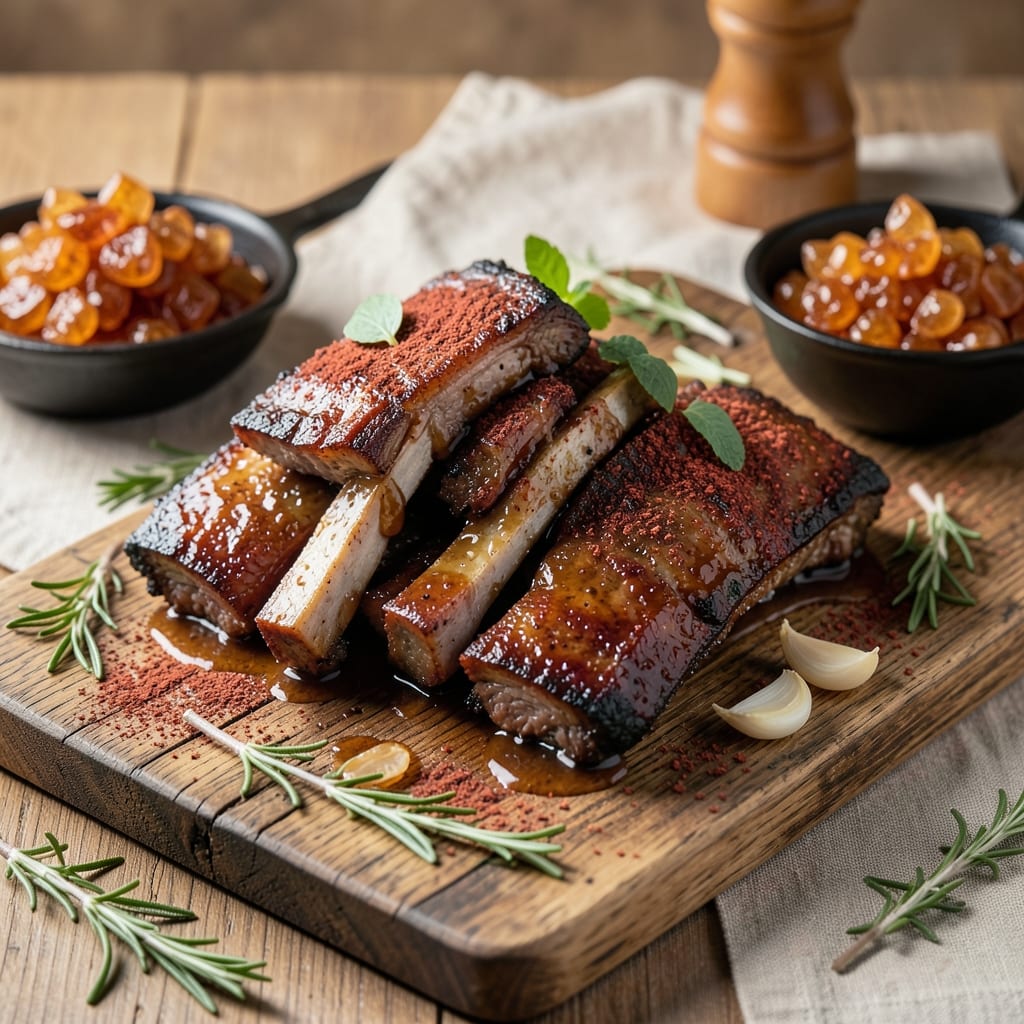
This baked beef spare ribs recipe delivers restaurant-quality results with a perfect balance of crispy bark and fall-off-the-bone tenderness—no smoker required. 🔥 The secret lies in a slow bake that transforms tough cuts into melt-in-your-mouth perfection while developing a caramelized crust that adds depth to every bite. I've perfected this method over years of testing, ensuring you get juicy, flavorful ribs without the fuss of traditional methods.
The process starts with a dry rub that clings to the ribs, creating that coveted bark, while a high-heat oven finish locks in moisture and flavor. Unlike slow-smoked ribs, this method delivers tender meat in just a few hours, making it ideal for weeknight dinners or weekend gatherings. The beauty of baking is its simplicity—no temperature swings, no babysitting, just consistent results every time.
What you'll end up with is a platter of ribs that look as impressive as they taste: deep mahogany bark with crackling edges and meat so tender it separates at the touch of a fork. The aroma alone will have everyone gathering at the table, and the flavor—smoky, savory, with just the right amount of sweetness—is worth the wait. This is comfort food at its finest, elevated to restaurant-quality standards.
Serve with classic sides like garlic mashed potatoes or a tangy coleslaw to complete the meal. The best part? Leftovers reheat beautifully, making this recipe perfect for meal prep or feeding a crowd. Let's get started on creating ribs that will have everyone asking for seconds.
Ingredients for baked beef spare ribs
Four pounds of beef spare ribs and nine simple ingredients transform into restaurant-quality ribs with crispy bark and melt-in-your-mouth tenderness.
| Ingredient | Amount | Notes |
|---|---|---|
| Beef Spare Ribs 🍖 | 4 lb | Bone-in, meaty ends included |
| Brown Sugar 🍯 | ½ cup | Packed, light or dark |
| Smoked Paprika 🌶️ | 2 tbsp | For deep smoky flavor |
| Kosher Salt 🧂 | 2 tbsp | Diamond Crystal preferred |
| Black Pepper 🌶️ | 1 tbsp | Freshly ground for best flavor |
| Garlic Powder 🧄 | 1 tbsp | Not garlic salt |
| Onion Powder 🧅 | 1 tbsp | For subtle sweetness |
| Mustard Powder 🍯 | 1 tsp | Adds tangy depth |
| Apple Cider Vinegar 🍎 | ¼ cup | For tenderizing |
| Olive Oil 🫒 | 2 tbsp | For basting |
| Honey 🍯 | ¼ cup | Enhances caramelization |
| Fresh Rosemary 🌿 | ¼ cup | Chopped finely |
| Fresh Thyme 🌿 | ¼ cup | Leaves only |
The ribs are the star—look for meaty ends at the butcher counter, as they're packed with flavor. Costco or local butchers often have the best selection, but any grocery store with a meat department will work. Freshness matters: ribs should smell clean and have a vibrant pink color. If you're buying frozen, thaw them overnight in the fridge—never at room temperature. The dry rub is where the magic happens, so don't skimp on the spices. Penzeys or bulk bins at natural food stores are great for high-quality spices, but even the regular grocery store stuff works if it's fresh.
No smoked paprika? Substitute with 1 tbsp regular paprika plus 1/2 tsp liquid smoke—it's a game-changer. Running low on fresh herbs? Dried rosemary and thyme at one-third the amount will do in a pinch, but fresh gives that restaurant-quality aroma. The apple cider vinegar tenderizes the meat—don't skip it, even if you're in a hurry. For extra crispiness, brush the ribs with honey and olive oil every 30 minutes during the last hour of baking. And if you're feeling adventurous, add a splash of bourbon to the rub for a smoky-sweet kick.
These ribs reheat beautifully—wrap in foil and bake at 300°F for 20 minutes to keep them juicy. Store leftovers in the fridge for up to 4 days or freeze for 3 months. For meal prep, portion the ribs into individual containers with a little of the pan juices—they taste even better the next day. The dry rub keeps well in an airtight container for up to 2 weeks, so make extra for future rib nights. And trust me, you'll want to make this again.
Why You'll Love This Recipe
- Foolproof Prep: I swear by this method—just a quick rub with brown sugar, smoked paprika, and salt, then straight into the oven. No babysitting, no mess, and zero guesswork. The ribs practically fall apart when you pull them out, so tender they beg for a fork.
- Caramelized Magic: That brown sugar? It turns into a sticky, sweet glaze that clings to every rib like it’s been slow-smoked for hours. The smoked paprika adds this deep, smoky warmth that cuts through the richness—honestly, the first bite makes me forget I didn’t fire up a grill.
- Weeknight Crowd-Pleaser: Between us, this is my go-to for game day, potlucks, or when my dad “accidentally” shows up unannounced. The ribs feed six but cost less than takeout for two, and leftovers? They’re even better the next day—crispy edges, juicy meat, zero sad moments.
- Budget-Friendly Feast: I buy beef spare ribs on sale, and this recipe stretches them into multiple meals without sacrificing flavor. The ingredients are basic, the method’s efficient, and the result? A dish that feels fancy but won’t break the bank. My wallet and my taste buds high-five every time.
Step-by-step instructions for baked beef spare ribs
Here's how to transform tough ribs into melt-in-your-mouth perfection with a crackling bark.
👨🍳 Step 1: Prep and Season the Ribs for Maximum Flavor
Start by trimming any excess fat from the beef spare ribs, leaving just a thin layer to protect the meat during cooking. Pat the ribs dry with paper towels—this is crucial for that crispy bark we're after. I like to work in batches if they don't fit on my baking sheet at once.
In a small bowl, mix together the 0.5 cup brown sugar, 2 tbsp smoked paprika, 2 tbsp kosher salt, 1 tbsp black pepper, 1 tbsp garlic powder, 1 tbsp onion powder, and 1 tsp mustard powder. Rub this mixture all over the ribs, pressing it into the meat so it sticks. Don't be shy—you want that flavor to penetrate every inch. Let the seasoned ribs sit at room temperature for 30 minutes while you prep the rest.
🍳 Step 2: Create the Glazing Sauce
While the ribs are resting, combine the 0.25 cup apple cider vinegar, 0.25 cup honey, 2 tbsp olive oil, 0.25 cup chopped fresh rosemary, and 0.25 cup fresh thyme leaves in a small saucepan. Bring to a gentle simmer over medium heat and let it reduce by about half—this should take 5-7 minutes. You're looking for a thick, syrupy consistency that will caramelize beautifully on the ribs.
Here's the thing—this sauce isn't just for flavor, it's for moisture retention too. The vinegar tenderizes while the honey creates that perfect balance of sweet and smoky. Taste it as it reduces and adjust seasoning if needed, but it should be perfectly balanced already.
🔥 Step 3: Bake Until Fall-Off-Bone Tender
Preheat your oven to 300°F—this lower temperature is key for tenderizing the meat without drying it out. Place the seasoned ribs on a foil-lined baking sheet, meaty-side up. Pour the reduced sauce evenly over the ribs, making sure to get it in all the crevices. Bake uncovered for 2 hours.
After 2 hours, increase the oven temperature to 425°F and continue baking for another 20-25 minutes. This final high-heat phase is what creates that beautiful crispy bark. You'll know it's ready when the edges are deep golden brown and the meat pulls away from the bones with just a gentle tug. The internal temperature should reach 195-203°F—this is the magic zone for fall-off-the-bone tenderness.
⏰ Step 4: Rest and Serve with Maximum Juiciness
Remove the ribs from the oven and let them rest on a cutting board for at least 10 minutes before serving. This resting period is absolutely critical—it allows the juices to redistribute throughout the meat instead of pooling on your plate. Trust me, skipping this step means dry ribs.
While they rest, you can brush any remaining sauce from the baking sheet over the ribs for extra flavor. To serve, cut between the bones to separate the ribs, then slice each bone into individual ribs. The sauce should be sticky and caramelized, clinging beautifully to each piece. Serve with extra sauce spooned over the top and a side of crusty bread to soak up all that deliciousness.
Pro Tips For Making Baked Beef Spare Ribs
- Trim the Fat First: Cut the thick silver skin off the ribs before baking—it’s the chewy layer that ruins tender results. I learned this the hard way after peeling back a perfect rib to find a rubbery surprise. Use kitchen shears for speed, but don’t rush; precision here saves you from dry meat later.
- Dry the Ribs Overnight: Pat them dry with paper towels, then refrigerate uncovered for 12–24 hours. The salt and spices stick better to dry meat, and the crust forms faster in the oven. Sounds weird, but it works—your ribs will caramelize like a pro’s instead of steaming.
- Skip the Crowding: Bake ribs in a single layer on the tray, even if it means two batches. Stacking traps steam, turning your ribs soggy. Start with 425°F for 30 minutes, then reduce to 275°F—this two-step method guarantees a crispy bark without drying them out.
- Brown Sugar Early: Sprinkle half the brown sugar on the ribs before the first 30 minutes at high heat. The initial Maillard reaction locks in flavor, while the rest added later caramelizes into a glossy glaze. I was skeptical until I tried it—now I double the amount for extra stickiness.
Best sauces and condiments for this baked beef spare ribs
Classic BBQ Sauce
Use a thick, tangy BBQ sauce like Sweet Baby Ray's Original or Stubb's Original to glaze your ribs during the final 20 minutes of baking. Brush on ¼ cup generously, focusing on the edges for maximum caramelization. The vinegar in BBQ sauce tenderizes while the sugar creates that perfect sticky bark. 🔥
Honey Mustard Glaze
For a sweeter, creamier finish, mix ¼ cup honey with 2 tbsp Dijon mustard and 1 tbsp apple cider vinegar. Brush this glaze over ribs during the last 15 minutes at 425°F. The mustard adds a tangy depth that balances the richness of the meat, while the honey ensures a glossy, caramelized finish.
Spicy Chipotle Sauce
Crank up the heat with a chipotle-lime sauce made by blending ½ cup chipotle peppers in adobo, ¼ cup lime juice, 2 tbsp honey, and 1 tsp cumin. Simmer for 5 minutes to meld flavors, then brush on ribs during the last 20 minutes of baking. This sauce delivers smoky, spicy heat that pairs perfectly with beef.
Garlic Butter Finishing Sauce
For a rich, savory finish, melt ¼ cup butter with 3 minced garlic cloves and 1 tbsp fresh rosemary in a saucepan. Once bubbly, brush this over ribs during the last 10 minutes at 425°F. The butter creates a glossy sheen while the garlic and rosemary add aromatic depth that complements the smoky flavors.
Dry Rub Enhancements
If you prefer no sauce, enhance your dry rub with 1 tbsp brown sugar and ½ tsp cayenne pepper before baking. The extra sugar promotes deeper caramelization, while the cayenne adds subtle heat. Brush ribs with olive oil every 30 minutes during the final hour to maintain moisture and crispiness.
Sauce Pairing Tips
For best results, pair your sauce choice with complementary sides. A cool, creamy coleslaw balances the heat of spicy sauces, while garlic mashed potatoes enhance the richness of sweet or savory glazes. Always taste your sauce before applying—adjust sweetness or acidity as needed for your preference. 💫
Nutrition facts
Frequently asked questions
Can I use beef spare ribs with the bone-in meaty ends removed?
While you can absolutely use boneless spare ribs, the meaty ends are packed with flavor and help keep the meat moist during baking. If you remove them, you'll lose some of that rich, gelatinous goodness that makes ribs so tender. For best results, keep the meaty ends—they're worth the extra effort!
How do I know when the ribs are fully cooked?
Look for three key indicators: the meat should pull away from the bones with just a gentle tug, the internal temperature should reach 195-203°F when measured with a meat thermometer, and the edges should be deep golden brown with a crackling bark. The ribs should feel tender enough to separate easily with a fork.
Can I make this recipe in a slow cooker?
Yes! For a slow cooker version, season the ribs as directed, then cook on low for 6-8 hours with the glazing sauce. In the last 30 minutes, transfer to a baking sheet and broil for 5 minutes to create a crispy bark. The low-and-slow method works beautifully for tender ribs without needing an oven.
Why are my ribs dry even though I followed the recipe?
Dry ribs usually happen from one of three issues: not resting the meat after baking, overcooking (check that internal temp), or not patting them dry before seasoning. Always let ribs rest for 10 minutes after baking, and make sure they're completely dry before applying the dry rub—moisture is the enemy of crispy bark!
What's the best way to reheat leftover baked beef spare ribs?
Wrap ribs tightly in foil with a splash of beef broth or water, then reheat in a 300°F oven for 20 minutes. This method keeps them juicy and reheats evenly. Avoid microwaving—it makes ribs tough and rubbery. For extra flavor, brush with a little olive oil and honey before reheating.