
Main Courses
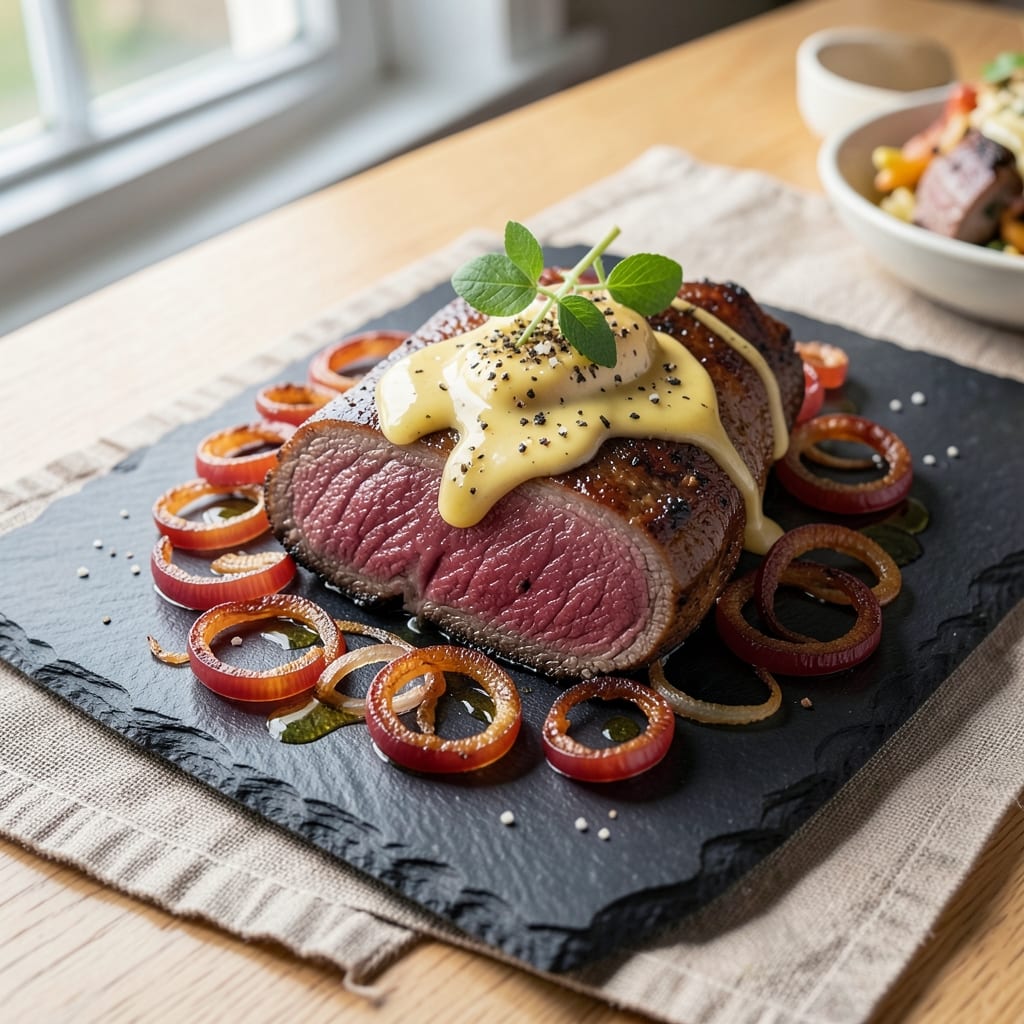
This baked beef liver and onions recipe transforms rich, tender liver into a restaurant-worthy dish with pan-seared crispiness and caramelized onions that balance its deep flavor. The secret lies in a quick sear before baking, which locks in juices while creating a golden crust that contrasts beautifully with the sweet, jammy onions. I developed this technique after years of perfecting the balance between richness and tenderness—no tough, chewy texture here.
What makes this recipe stand out is the two-step process: first, a hot pan sear to build flavor and color, then a gentle bake that finishes the liver to medium-rare perfection while letting the onions caramelize slowly. This method ensures every bite delivers melt-in-your-mouth texture with layers of savory, sweet, and umami notes. The onions, sliced thin and cooked until deep golden, add natural sweetness that complements the liver's richness without overpowering it.
By the time you serve this dish, you'll have a plate that looks as impressive as it tastes—crisp-edged liver slices fanned over a bed of glossy caramelized onions, ready to be paired with creamy mashed potatoes or crusty bread for soaking up every last bit of flavor. The dish is elegant enough for a dinner party but simple enough for a weeknight, proving that offal doesn't have to be intimidating when prepared with care.
For best results, use fresh beef liver and high-quality onions, and don't skip the searing step—it's what transforms this into a foolproof, restaurant-quality dish. Let's get started on creating something truly special.
Ingredients for baked beef liver and onions
Fresh beef liver and onions create restaurant-quality flavor with just ten ingredients.
| Ingredient | Amount | Notes |
|---|---|---|
| Beef Liver 🥩 | 1 ½ lb | Fresh, trimmed of connective tissue |
| Yellow Onions 🧅 | 2 large | Thinly sliced for caramelization |
| Unsalted Butter 🧈 | 4 tbsp | Cold, cubed for searing |
| Olive Oil 🫒 | 2 tbsp | Extra-virgin for high-heat searing |
| Kosher Salt 🧂 | 1 ½ tsp | Diamond Crystal preferred |
| Freshly Ground Black Pepper 🌶️ | ½ tsp | For seasoning liver |
| Fresh Thyme Leaves 🌿 | ¼ cup | Chopped, for aromatic depth |
| Garlic Cloves 🧄 | 4 cloves | Minced, for onion caramelization |
| Balsamic Vinegar 🍷 | 1 tbsp | For finishing caramelized onions |
| Fresh Rosemary 🌿 | ½ tsp | Chopped, for baking aroma |
| Heavy Cream 🥛 | ¼ cup | Optional, for sauce finishing |
The liver is the star—freshness is non-negotiable. Hit the butcher counter for beef liver with good marbling, ideally sold the same day. Whole Foods or your local butcher shop are best for quality, but grocery store packages work if you use them immediately. For onions, yellow or red varieties caramelize best—skip the sweet ones. Thinly slice them yourself; pre-sliced bags lack the texture. The butter should be cold and cubed for that perfect sear, and extra-virgin olive oil handles the high heat without burning.
No fresh thyme? Dried works at half the amount, but fresh is ideal. Running low on rosemary? Fresh sage or marjoram adds a similar earthy note. For the onions, if you forget the balsamic vinegar, a splash of red wine or apple cider vinegar works in a pinch. The heavy cream is optional but adds richness—half-and-half or coconut cream are great substitutes if you're avoiding dairy. If your liver arrives with a thin membrane, score it lightly with a knife before searing to prevent curling. And trust me, don't skip the searing step—it's what makes this dish restaurant-worthy.
Store any unused liver in the fridge for 1-2 days wrapped tightly in paper towels, but use it ASAP for best texture. Caramelized onions keep 5 days in the fridge and freeze beautifully for 3 months. I like to portion the finished dish into individual ramekins for easy reheating—just 10 minutes at 350°F. The onions reheat best with a splash of water or broth to restore their gloss. For leftovers, cover tightly and reheat gently to preserve that crisp edge on the liver.
Why You'll Love This Recipe
- Here’s what sold me: that butter-basted liver, crisping on the edges while staying tender inside, all while the onions melt into a golden, savory blanket. It’s the kind of dish where you taste every bite, but the work feels effortless.
- Minimal Chopping Required: I swear by this trick—just slice the onions thick and let them caramelize right alongside the liver. No dicing, no fuss, and the onions turn sweet and jammy without me having to hover over the pan.
- Rich Without Effort: Here’s what sold me: that butter-basted liver, crisping on the edges while staying tender inside, all while the onions melt into a golden, savory blanket. It’s the kind of dish where you taste every bite, but the work feels effortless.
- Budget Protein Power: A pound of beef liver feeds my family for two meals—breakfast hash one day, pan-seared sandwiches the next. I’m not kidding when I say this cuts my grocery bill while packing serious flavor.
Step-by-step instructions for baked beef liver and onions
Perfectly seared liver with caramelized onions delivers rich, tender bites every time.
Prep and Sear the Beef Liver
Pat the 1.5 lb beef liver completely dry with paper towels—this ensures maximum crispiness. Season both sides generously with 1.5 tsp kosher salt and 0.5 tsp freshly ground black pepper, pressing the seasoning into the surface so it adheres evenly. Let the liver sit at room temperature for 15-20 minutes while you prepare the onions.
Heat a large skillet over medium-high heat and add 2 tbsp olive oil and 2 tbsp unsalted butter. Once the butter foams but hasn't browned, add the liver in a single layer—don't overcrowd the pan. Sear for 2-3 minutes per side until the exterior is deep golden brown and slightly crispy. The liver should release easily from the pan when ready. Transfer to a plate and tent loosely with foil to keep warm.
Caramelize the Onions
In the same skillet (no need to clean it—the browned bits add flavor), add 2 large yellow onions sliced into ¼-inch thick rounds. Cook over medium-low heat for 15-20 minutes, stirring occasionally, until the onions soften and release their moisture. Reduce heat to low and continue cooking for another 15-20 minutes until deeply caramelized and golden brown.
In the last 2 minutes of cooking, add the 4 minced garlic cloves and 1 tbsp balsamic vinegar. Stir well to incorporate, then remove from heat. The onions should be tender with a rich, sweet depth of flavor. Sprinkle with 0.5 tsp chopped fresh rosemary and 0.25 cup chopped fresh thyme leaves, tossing to combine.
Bake for Tender Perfection
Preheat your oven to 375°F. Place the seared liver in a baking dish and spoon the caramelized onions evenly over the top. Dot with the remaining 2 tbsp cubed unsalted butter and bake for 8-10 minutes until the liver reaches an internal temperature of 135°F (use an instant-read thermometer for accuracy). The liver should be tender but not dry—it will continue cooking slightly from residual heat.
For an optional creamy finish, stir the 0.25 cup heavy cream into the caramelized onions before baking. This adds richness and helps balance the liver's earthy flavor. Remove from the oven and let rest for 5 minutes before serving to allow juices to redistribute.
Serve Immediately
Slice the liver into ¼-inch thick pieces and arrange on a platter with the caramelized onions. The contrast of crispy, seared edges and tender interior creates the perfect texture. Serve immediately with a sprinkle of additional fresh thyme and rosemary for freshness. Pair with crusty bread or roasted potatoes to soak up the rich pan juices.
This method ensures the liver remains moist while achieving a satisfying crust. The caramelized onions add natural sweetness that complements the liver's rich, meaty flavor. Don't overcook—liver continues cooking slightly after removal from heat, so aim for 135°F internal temperature for optimal tenderness.
Pro Tips For Making Baked Beef Liver And Onions
- Salt the Liver First: Toss the liver with half the salt before searing—this seasons it deep and prevents a bland center. I used to wait until the end, and the flavor just didn’t penetrate like it should.
- Slice Onions Thinly: Cut the onions into ⅛-inch slices so they caramelize evenly without turning mushy. Thicker slices? They’ll stay crunchy and undercooked. (Yes, even if it takes a minute to slice them right.)
- Start High, Finish Low: Sear the liver in a screaming-hot pan for 1-2 minutes per side to lock in juices, then finish baking at 375°F—any hotter and you’ll dry it out. I learned this after serving rubbery liver twice.
- Use Cold Butter: Spread chilled unsalted butter over the liver after searing but before baking—it melts slowly, basting the meat instead of pooling at the bottom. Warm butter just slides away.
Storing and reheating your leftovers
Fridge Storage Tips
Store any leftover liver and onions in an airtight container with a paper towel pressed on top to absorb excess moisture. The liver stays fresh for 1-2 days in the fridge—use it within that window for best texture. I like to portion the onions separately since they keep longer (5 days) and can be reheated independently. For leftovers, I always cover them tightly with plastic wrap pressed directly onto the surface to maintain crispness. 🥩
Freezer Prep
Caramelized onions freeze beautifully for 3 months—just spread them on a tray to cool completely before transferring to a freezer bag. Squeeze out excess air to prevent freezer burn. For the liver, I recommend freezing it only if you've seared it first—this preserves texture better. Portion into single-serving packs for easy reheating. Label everything with the date to track freshness. ❄️
Reheating Liver
Liver reheats best in a skillet over medium heat for 2-3 minutes per side until warmed through. Avoid microwaving—it turns rubbery. For extra crispiness, add a pat of butter to the pan. If reheating from frozen, thaw in the fridge overnight first. Always check the internal temperature—it should reach 135°F before serving. 🔥
Reviving Onions
Thaw frozen onions in the fridge overnight, then reheat in a dry skillet over low heat for 5-7 minutes with a splash of water or broth to restore their gloss. If they look dry, toss them with 1 tsp olive oil and a pinch of salt before serving. For a quick fix, microwave them covered for 1 minute with a damp paper towel on top. 🧅
Make-Ahead Baking
You can prep the liver and onions a day ahead—sear the liver, caramelize the onions, then refrigerate separately. When ready to serve, simply bake the liver at 375°F for 8-10 minutes while reheating the onions in a skillet. This shortcut saves time without sacrificing flavor. I often do this for dinner parties so I can focus on plating. 💡
Portion Control
For individual servings, divide the baked liver into ramekins and store with a sprinkle of fresh thyme on top. Reheat covered at 350°F for 10 minutes—this keeps the edges crisp while warming through. Portion onions into small containers with a drizzle of olive oil to maintain moisture. Label containers with reheating instructions to avoid confusion later. 🍽️
Nutrition facts
Frequently asked questions
Why does my beef liver turn out dry when baking?
Overcooking is the #1 cause of dry liver. Use an instant-read thermometer and stop baking when the internal temperature hits 135°F—this ensures tender, juicy meat. Also, never skip the searing step before baking, as it creates a flavorful crust that locks in moisture. If you're concerned about dryness, try adding 1 tbsp heavy cream to the caramelized onions before baking.
Can I substitute chicken or pork liver for beef liver?
While chicken liver is a common substitute (especially in pâtés), it has a much stronger flavor and different texture. Pork liver is closer to beef but tends to be slightly milder. If substituting, reduce cooking time by 1-2 minutes since chicken liver cooks faster. For best results, stick with beef liver for this specific recipe.
What's the best way to slice onions for perfect caramelization?
Slice onions into ¼-inch thick rounds for even cooking and maximum surface area. Use a sharp chef's knife and work quickly to prevent browning. For extra tenderness, you can also slice them into ½-inch thick half-moons, but they'll take slightly longer to caramelize. Never use pre-sliced onions—they break down unevenly and lack the right texture.
How do I know when the liver is done baking?
Use an instant-read thermometer for accuracy—135°F is the perfect internal temperature for medium-rare liver. The edges should be slightly crispy, and the center should still be slightly pink (not red). If you don't have a thermometer, cut into a small piece—the liver should be tender but still have a slight resistance when pierced with a fork.
What's the best way to serve this dish for a dinner party?
Arrange the sliced liver on a platter with the caramelized onions fanned around it. Add a sprinkle of fresh thyme and rosemary for color, and serve with crusty bread or creamy mashed potatoes. For an elegant touch, drizzle with a high-quality olive oil and balsamic reduction. Portion into individual ramekins if you want to serve family-style.