
Main Courses
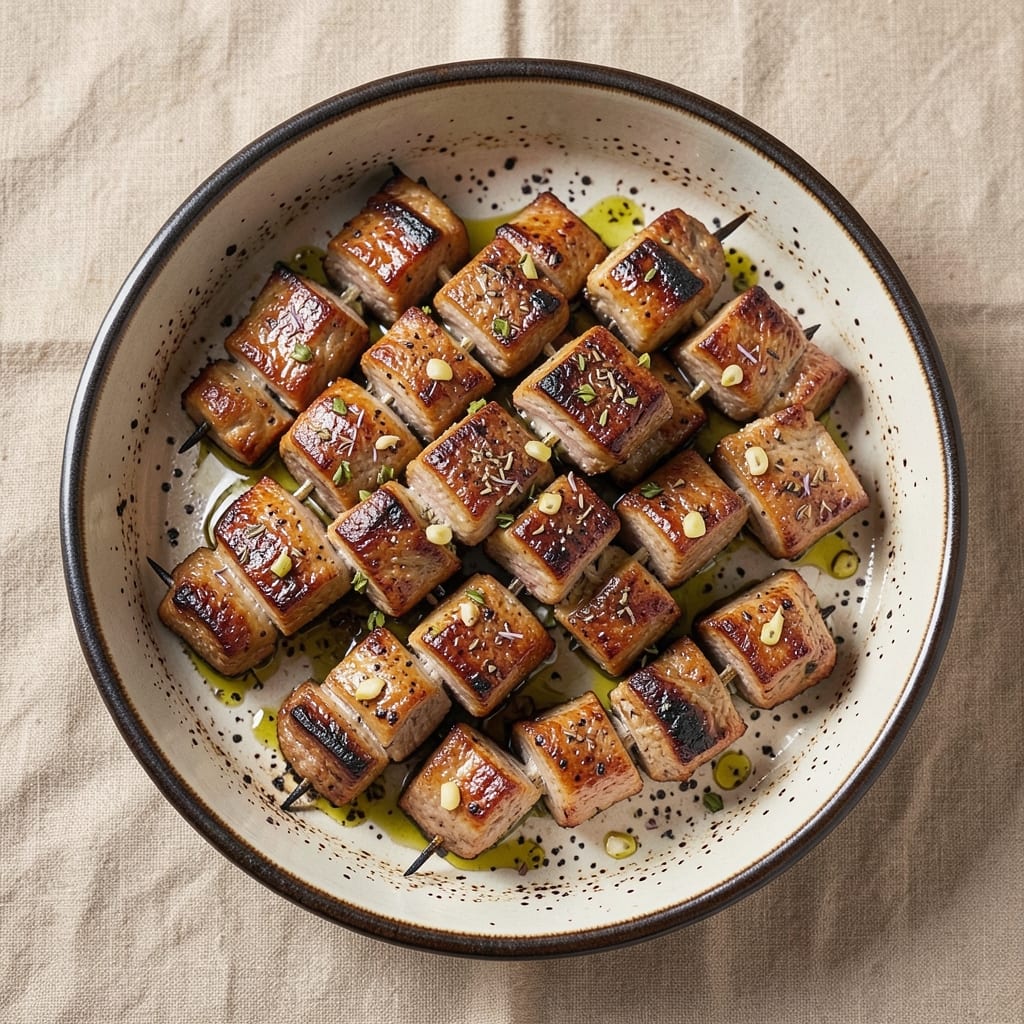
This baked beef kebab recipe transforms tough cuts into tender, juicy bites with caramelized edges—no grill required. The secret lies in a simple marinade that tenderizes while building bold flavors, then a precise baking technique that locks in moisture. I've perfected this method over countless weeknight dinners, and it consistently delivers restaurant-quality results without the fuss of outdoor cooking.
What sets these kebabs apart is the two-step cooking process: first marinating the beef for at least 4 hours (overnight is ideal) to break down fibers, then baking on high heat to achieve those coveted caramelized edges. The marinade—packed with garlic, lemon, and olive oil—infuses every bite with bright, savory depth, while the baking method ensures even cooking without drying out the meat.
By the time they emerge from the oven, you'll have perfectly tender beef cubes with crispy edges that hold together beautifully on skewers. These kebabs pair equally well with a fresh cucumber salad, warm pita bread, or roasted vegetables, making them versatile enough for casual weeknights or elegant gatherings. The best part? They're ready in under an hour, with minimal cleanup.
Whether you're cooking for two or feeding a crowd, this recipe scales effortlessly. The skewers can be prepped ahead and refrigerated, so you can focus on hosting instead of cooking. Let's get started with a method that delivers foolproof, restaurant-quality kebabs every time—no grill required.
Ingredients for baked beef kebab
Transform tough beef into tender, restaurant-quality kebabs with these carefully selected ingredients.
| Ingredient | Amount | Notes |
|---|---|---|
| Beef Chuck Roast 🥩 | 1 ½ lb | Cubed into 1.5-inch pieces |
| Extra-Virgin Olive Oil 🫒 | ½ cup | High-quality, fruity variety |
| Fresh Garlic Cloves 🧄 | 8 cloves | Minced finely for marinade |
| Fresh Lemon Juice 🍋 | ¼ cup | Freshly squeezed, seeds removed |
| Dried Oregano 🌿 | 1 tbsp | Mediterranean blend preferred |
| Ground Black Pepper 🌶️ | 1 ½ tsp | Freshly cracked for intensity |
| Kosher Salt 🧂 | 1 ½ tsp | Diamond Crystal preferred |
| Wooden Skewers 🪵 | 8 whole | Soaked in water for 30 minutes |
| Red Bell Peppers 🌶️ | 2 whole | Cut into 1-inch chunks |
| Yellow Onion 🧅 | 1 whole | Cut into 1-inch chunks |
| Fresh Rosemary 🌿 | ¼ cup | Chopped finely for garnish |
| Unsalted Butter 🧈 | 2 tbsp | Melted for basting |
The beef selection is critical—chuck roast delivers the perfect balance of tenderness and flavor when properly marinated. Look for cuts with visible marbling at trusted butchers or Whole Foods for optimal quality. The extra-virgin olive oil should have a distinct fruity aroma; California Olive Ranch or Colavita are excellent choices. Fresh garlic and lemon juice are non-negotiable for bright, vibrant flavors—garlic cloves should be plump and firm, while the lemon should be juicy and free of blemishes. For the skewers, soaked wooden skewers prevent burning during baking. If you can't find wooden skewers, metal or stainless steel skewers work equally well but require less soaking time.
No fresh rosemary? Dried rosemary at one-third the amount works in a pinch, though fresh provides superior aroma. Substituting yellow onion for red onion is fine, but red adds a subtle sweetness that complements the beef. For the marinade, if you're short on time, blend the garlic, lemon juice, olive oil, oregano, salt, and pepper into a smooth paste for even distribution. The red bell peppers should be firm and vibrant—avoid any with soft spots. If you prefer a milder flavor, swap half the red peppers for zucchini chunks. The unsalted butter is essential for basting; European-style butter like Plugrá adds extra richness. For a dairy-free option, use olive oil instead.
Marinated beef can be refrigerated for up to 24 hours, though overnight yields the best results. Skewered kebabs should be assembled just before baking to prevent sogginess. Store any unused marinade separately and use within 3 days in the refrigerator. The baked kebabs reheat beautifully—350°F for 10 minutes restores their tenderness. For meal prep, portion the cooked kebabs into airtight containers with a paper towel to absorb moisture, keeping them fresh for 3 days in the fridge or 3 months frozen. Always let frozen kebabs thaw in the refrigerator before reheating.
Why You'll Love This Recipe
- No-Chop Required: I swear by this trick—just slice the chuck roast into thick chunks (no knife skills needed) and let the oven do the work. The beef practically melts in your mouth, and the only prep is tossing it in olive oil, garlic, and oregano while you set the timer.
- Garlic-Oregano Magic: That combo of minced garlic and dried oregano? It’s the secret weapon. The lemon juice brightens everything up, and the beef gets this caramelized crust that’s crispy on the outside but still juicy inside—like a fancy steakhouse bite at home.
- Weeknight or Potluck: Between us, this is my go-to for busy nights and when I’m feeding a crowd. Double the batch, bake it all at once, and you’ve got leftovers for lunches or sandwiches. Honestly, it’s the only recipe I make that feels like a win for both.
- Budget-Friendly Feast: A chuck roast stretches further than you’d think, and the ingredients cost next to nothing. I’ve made this for $8 a serving, and it’s still the most satisfying meal I can throw together. Plus, the leftovers taste just as good reheated the next day.
Step-by-step instructions for baked beef kebabs
Here's the method to achieve perfectly tender beef kebabs with caramelized edges and vibrant vegetables.
Marinate the Beef for Maximum Tenderness
In a large bowl, combine the 1.5 lb beef chuck roast cut into 1.5-inch cubes, the 0.5 cup extra-virgin olive oil, 8 cloves minced fresh garlic, 0.25 cup fresh lemon juice, 1 tbsp dried oregano, 1.5 tsp ground black pepper, and 1.5 tsp kosher salt. Using clean hands, massage the marinade into the beef until every piece is thoroughly coated. This step ensures the meat stays tender while developing deep flavor.
Cover the bowl with plastic wrap and refrigerate for at least 4 hours, or overnight for best results. The acidity from the lemon juice and the olive oil will work together to break down the muscle fibers, guaranteeing fork-tender beef. Don't skip this step—it's what transforms tough chuck roast into melt-in-your-mouth bites.
Prepare the Vegetables and Skewers
Cut the 2 whole red bell peppers and 1 whole yellow onion into 1-inch chunks. Soak the 8 wooden skewers in water for 30 minutes to prevent burning during baking. This preparation ensures even cooking and prevents the skewers from catching fire in the oven.
Arrange the marinated beef and vegetables on a plate. I like to alternate between beef, red pepper, and onion on each skewer, starting and ending with beef for balanced heat distribution. This arrangement also creates visually appealing kebabs that look as good as they taste.
Bake Until Caramelized and Tender
Preheat your oven to 425°F with the rack positioned in the middle. Place the assembled skewers on a rimmed baking sheet lined with parchment paper. Bake for 15 minutes, then brush each skewer with 1 tbsp melted unsalted butter. This basting step creates that coveted caramelized crust while keeping the beef juicy.
Continue baking for another 10-12 minutes until the beef reaches an internal temperature of 145°F and the edges are deeply caramelized. The vegetables should be tender but still holding their shape. You'll know it's done when the beef releases easily from the skewers and has a beautiful browned crust.
Garnish and Serve Immediately
Remove the skewers from the oven and transfer them to a serving platter. Sprinkle generously with 0.25 cup chopped fresh rosemary for a fragrant finish. The rosemary adds an aromatic contrast to the rich beef and sweet vegetables, elevating the dish to restaurant-quality.
Serve the kebabs immediately while they're still sizzling hot. The residual heat will continue to caramelize the edges slightly, creating that perfect balance of tender beef and crispy exterior. Pair with a simple cucumber salad or crusty bread to soak up the delicious juices.
Pro Tips For Making Baked Beef Kebab
- Slice Against the Grain: I used to struggle with chewy beef chunks until I realized chuck roast’s muscle fibers run long—cut them perpendicular to the grain before skewering. This shortens the fibers, making each bite tender. (Yes, even if it feels like overkill—trust me.)
- Brown the Meat First: Skip the raw beef straight to the oven, and you’ll end up with gray, sad kebabs. Sear the chuck roast chunks in a hot pan with olive oil for 2-3 minutes per side first—this builds flavor and locks in juices. I learned this the hard way after serving bland, underwhelming bites.
- Minimize Lemon Overload: Fresh lemon juice brightens the dish, but too much turns the beef rubbery. Stick to 1-2 tablespoons total—just enough to balance the garlic and oregano, not drown it. (I once used a whole lemon’s worth and regretted it.)
- Use a Meat Thermometer: Baked beef kebabs need patience—pull them at 135°F (medium-rare) for juicy results. If you’re guessing, you’re likely overcooking. I used to eyeball it and end up with dry chunks; now I don’t. (Your future self will thank you.)
Essential equipment for perfect results
Skewer Essentials
For baking kebabs, wooden skewers are my go-to choice because they add a rustic touch and work beautifully in the oven. Soak them in water for 30 minutes before using to prevent burning. I prefer 6-inch bamboo skewers—they're sturdy enough to hold the beef and vegetables without bending. If you're concerned about splinters, metal or stainless steel skewers are a great alternative, though they require less soaking time. 🪵
Oven Tools
A rimmed baking sheet lined with parchment paper is essential for easy cleanup and even heat distribution. I use a half-sheet pan (13x18 inches) to fit all 8 skewers comfortably. For basting, a small pastry brush helps spread the melted butter evenly. A meat thermometer is non-negotiable—it ensures the beef reaches the perfect 145°F internal temperature without overcooking.
Marinating Gear
I recommend a large mixing bowl with a lid or plastic wrap for marinating the beef. A sharp chef's knife and cutting board are crucial for finely mincing the garlic and chopping the rosemary. For measuring, a liquid measuring cup for the olive oil and lemon juice, and a spice measuring spoon set, make prep precise. Don't forget a spatula to help transfer the marinated beef to the skewers without breaking them apart.
Optional Upgrades
For extra flavor, invest in a mortar and pestle to crush the garlic into a paste for the marinade. A small saucepan is useful for melting the butter for basting. If you love fresh herbs, a microplane makes quick work of zesting lemon peels for an extra bright flavor. For presentation, a serving platter with a rim helps keep the skewers upright while garnishing with rosemary. 💫
Budget-Friendly Swaps
No wooden skewers? Use forks or metal cake popsicle sticks—they work in a pinch. For marinating, a ziplock bag with the beef and marinade can save space in the fridge. A digital kitchen scale is a game-changer for precise measurements, but a standard measuring cups and spoons set will do. For basting, a clean silicone brush or even a wooden spoon can spread the butter evenly. Every kitchen has these basics!
Nutrition facts
Frequently asked questions
Can I use other cuts of beef besides chuck roast?
Yes! For best results, stick with tender cuts like sirloin or ribeye (they're more expensive but require less marinating). For budget-friendly options, chuck roast or flank steak work well—they just need that 4+ hour marinade to tenderize. Avoid lean cuts like eye of round; they'll dry out during baking.
How do I prevent the skewers from burning in the oven?
Soak wooden skewers in water for 30 minutes before using to prevent burning. For extra insurance, place them on a parchment-lined baking sheet with a thin layer of oil underneath. If using metal skewers, skip soaking—they conduct heat differently. Always preheat your oven fully before baking.
Can I make these kebabs ahead of time?
Marinate the beef up to 24 hours ahead, but assemble the skewers just before baking. For make-ahead convenience, cook the kebabs completely, then store them in an airtight container with a paper towel to absorb moisture. Reheat at 350°F for 10 minutes—they'll be just as delicious!
What's the best way to store leftover marinade?
Store unused marinade in an airtight container in the fridge for 3 days or freeze for 3 months. If the marinade touched raw beef, never reuse it on cooked foods. For extra flavor, simmer the leftover marinade for 5 minutes to reduce it, then use as a sauce for the kebabs or drizzle over roasted potatoes.
How do I adjust the recipe for a crowd?
Double the recipe and use two rimmed baking sheets for even cooking. For 12+ servings, increase oven capacity by baking in two batches (15 minutes each) at 425°F12-14 skewers total—space them 1 inch apart on the baking sheet for proper airflow. Prep all ingredients first to streamline assembly.