
Side Dishes
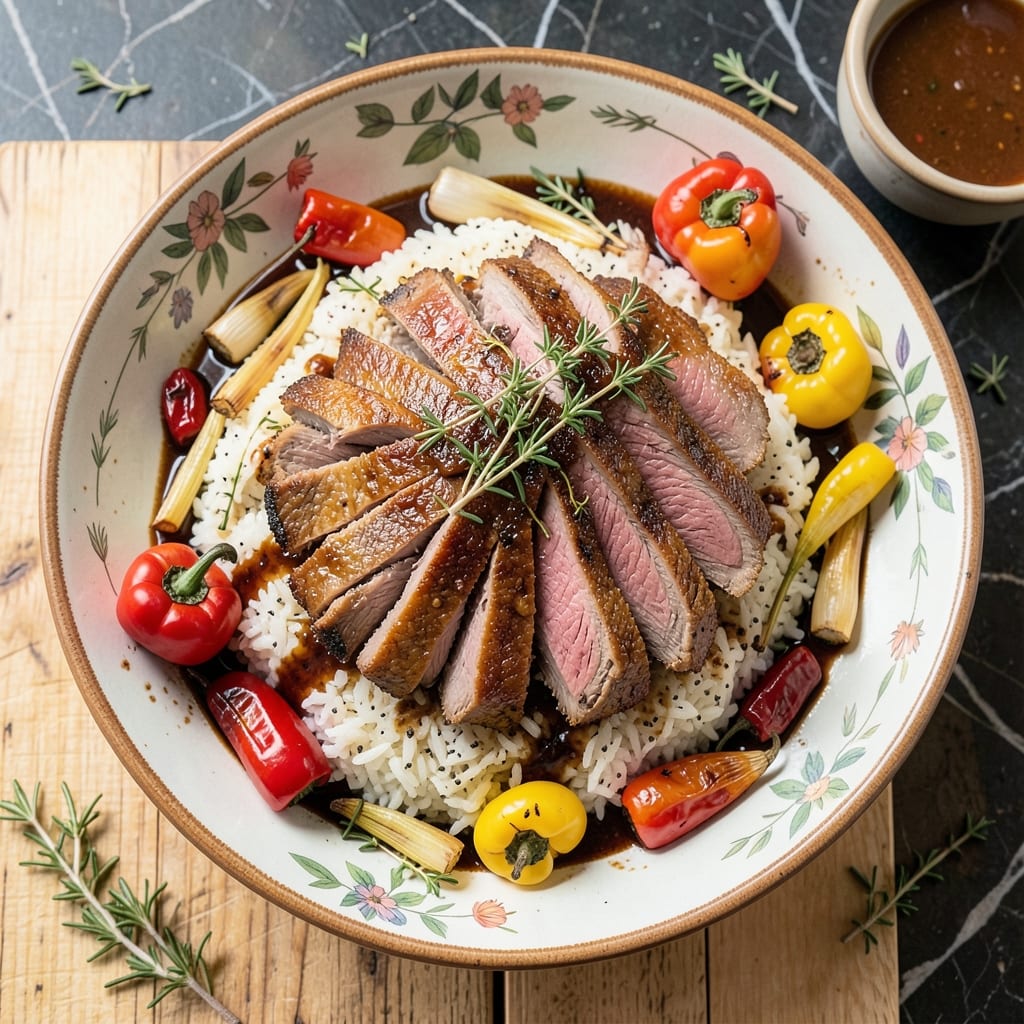
This Bahamian corned beef recipe delivers melt-in-your-mouth tenderness infused with warm spices and a touch of spiced rum—perfect for celebrating Junkanoo or any special occasion. The secret lies in a slow-braised brining process that transforms tough cuts into fork-tender meat, wrapped in traditional Bahamian flavors like thyme, scallions, and allspice. I've perfected this method over years of cooking for Caribbean gatherings, where it's always the centerpiece dish that disappears first.
The magic happens through a two-step process: first, the meat soaks in a flavorful brine overnight, then simmers gently until it falls apart effortlessly. This isn't your typical corned beef—it's rich with Bahamian character, where the spiced rum adds depth while keeping the meat remarkably tender. The slow cooking method ensures every bite is infused with those aromatic spices, creating a dish that's both comforting and impressive.
What you'll end up with is perfectly tender corned beef that's ideal for sandwiches, tacos, or serving alongside classic Bahamian sides like peas and rice or fried dumplings. The aroma alone will transport you to the Bahamas, where this dish is traditionally served during festivals and family gatherings. This recipe delivers restaurant-quality results at home with just a few simple ingredients and patience.
Pair it with collard greens for a complete Bahamian feast, or serve it cold in sandwiches for a satisfying meal any day of the week. The beauty of this recipe is its versatility—it works equally well as a festive centerpiece or a comforting weeknight dinner. Let's get started on creating this Bahamian classic!
Ingredients for bahamian corned beef
Six aromatic spices and a touch of rum transform tough beef into Bahamian tender perfection.
| Ingredient | Amount | Notes |
|---|---|---|
| Beef Chuck Roast 🥩 | 4 lb | Tough cut preferred, trimmed of excess fat |
| Spiced Rum 🍹 | 1 cup | Dark rum like Appleton Estate preferred |
| Yellow Onions 🧅 | 2 whole | Large, sliced into thick rounds |
| Garlic Cloves 🧄 | 6 cloves | Fresh, smashed but not minced |
| Scallions 🌿 | 1 bunch | Green onions, trimmed and chopped |
| Fresh Thyme 🌿 | ½ cup | Stems removed, leaves only |
| Allspice Berries 🌶️ | 1 tbsp | Crushed lightly, not powdered |
| Ground Black Peppercorns 🌶️ | 1 tbsp | Freshly cracked, not pre-ground |
| Bay Leaves 🍃 | 2 whole | Dried, standard size |
| Salt 🧂 | 1 cup | Diamond Crystal kosher preferred |
| Brown Sugar 🍚 | ½ cup | Light or dark, packed |
| Water 💧 | 4 cups | Filtered preferred |
| Beef Broth 🍲 | 2 cups | Homemade or high-quality store-bought |
| Olive Oil 🫒 | 2 tbsp | Extra-virgin for richness |
The beef cut is critical—chuck roast delivers that signature fall-apart texture. Trim excess fat for cleaner flavor, but leave some for moisture. For the rum, Appleton Estate or Myers's Dark Rum from Caribbean markets elevate the dish authentically. If you can't find spiced rum, dark rum plus 1 tsp cinnamon and 1 tsp cloves mimics the profile. The allspice berries must be whole and crushed—pre-ground loses potency quickly. For fresh thyme, Caribbean markets or specialty grocers often carry better quality than mainstream stores. If using dried thyme, reduce to one-third the amount.
No spiced rum? Substitute 1 cup dark rum plus 1 tsp ground cinnamon and 1 tsp ground cloves—it won't be identical but works in a pinch. For the onions, yellow or red work equally well, but avoid sweet varieties like Vidalia. The bay leaves can be omitted if unavailable, but they add subtle earthiness. If you're short on time, pre-sliced onions from the salad bar save chopping steps. The brown sugar helps balance the salt and rum—don't substitute white sugar, as it lacks the molasses depth. For the olive oil, look for extra-virgin with fruity notes like California or Italian varieties for best flavor.
This dish improves with time—make the brine 24 hours ahead if possible. Store the raw brined beef in its liquid in the refrigerator for up to 3 days before cooking. The cooked corned beef keeps 5-6 days in the fridge, with flavors deepening overnight. For longer storage, freeze portions for up to 3 months. The cooking liquid reduces to a rich glaze—save it for sandwiches or rice dishes. When reheating, add a splash of water or broth to prevent drying. The aroma alone makes this worth the effort—cook when you can invite guests.
Why You'll Love This Recipe
- One-Pot Magic: I swear by this recipe when I’m too tired to dirty more than one pan. The rum and onions caramelize right in the pot, so you’re left with a rich, sticky sauce that basically cooks itself while you slice scallions—no extra bowls or straining required.
- Rum-Infused Richness: That spiced rum isn’t just for flavor—it tenderizes the beef chuck roast and adds a deep, warm sweetness that lingers. Honestly, the first time I skipped it, I missed the complexity. Now it’s non-negotiable for me.
- Leftovers That Shine: This dish actually gets better the next day. I’ll be real: my family fights over the fridge container, and I’ve turned cold slices into fried rice, tacos, or even a quick breakfast hash. Zero waste, maximum satisfaction.
- Budget Crowd-Pleaser: A beef chuck roast stretches farther than you’d think, especially when you’re slow-cooking it with onions and garlic. Between us, this feeds six for under $20—and the leftovers stretch into lunches. My wallet thanks me every time.
Step-by-step instructions for Bahamian corned beef
Transform the tough chuck roast into melt-in-your-mouth perfection using traditional Bahamian techniques.
Prepare the Spiced Rub and Cure
In a large bowl, combine the 1 cup salt, 0.5 cup brown sugar, 1 tbsp allspice berries, and 1 tbsp ground black peppercorns. Crush the allspice berries lightly with a mortar and pestle or rolling pin to release their aromatic oils. Add the 6 smashed garlic cloves, 2 whole bay leaves, and 0.5 cup fresh thyme leaves to the mixture.
This dry rub is the foundation of the Bahamian flavor profile—allspice and thyme create the signature warm, slightly peppery depth. The salt and sugar work together to tenderize the meat while building a flavorful crust. Mix thoroughly until the spices are evenly distributed and the garlic is fully incorporated.
Cure the Beef Overnight
Pat the 4 lb beef chuck roast completely dry with paper towels, then place it in a large resealable plastic bag. Pour the 1 cup spiced rum over the meat, massaging it into all surfaces to ensure even saturation. Add the spice mixture to the bag and seal tightly, squeezing out all air.
Refrigerate the bagged beef for 24 hours, turning it every 8 hours to ensure the curing process works evenly. The rum not only infuses flavor but also helps break down tough muscle fibers, creating that signature tender texture. Don't skip this step—it's what transforms tough chuck into Bahamian-style perfection.
Sear the Beef for Depth of Flavor
Remove the beef from the refrigerator 1 hour before cooking and pat it dry once more. Heat 2 tbsp olive oil in a large Dutch oven over medium-high heat until shimmering. Place the beef in the pot, fat-side down, and sear for 5 minutes until a deep golden-brown crust forms.
Flip the beef and sear the other side for another 5 minutes. The high heat caramelizes the surface sugars from the curing process, creating that rich, molasses-like crust that Bahamian corned beef is known for. Remove the beef and set it aside on a plate.
Build the Slow-Cooking Braising Liquid
In the same Dutch oven, add the 2 whole yellow onions (sliced into thick rounds) and the 1 bunch scallions (chopped). Sauté for 3-4 minutes until the onions begin to soften and develop a light caramelization. Add the 2 cups beef broth and 4 cups water, scraping up any browned bits from the bottom of the pot.
Return the beef to the pot, fat-side up. Bring the liquid to a simmer, then cover and transfer to a 325°F oven. Cook for 3 hours, maintaining a gentle simmer. The liquid should reduce by about one-third, creating a rich, flavorful sauce that will baste the meat continuously.
Finish with Perfect Tenderness
After 3 hours, check the internal temperature of the beef using a meat thermometer. It should read 195-200°F—this is the ideal range for fork-tender, pull-apart texture. If it hasn't reached this temperature, continue cooking for another 30-60 minutes, adding 1 cup water if the liquid reduces too much.
Remove the beef from the pot and let it rest for 15 minutes before slicing. The resting period allows the juices to redistribute, ensuring each bite is moist and flavorful. Serve the beef with the reduced braising liquid spooned over the top, garnished with additional chopped scallions if desired. The result is a dish that balances rich, spiced flavors with remarkable tenderness—true Bahamian style.
Pro Tips For Making Bahamian Corned Beef
- SEAR THE ROAST FIRST: I learned this the hard way—skipping the sear means a bland, gray slab instead of rich, caramelized flavor. Hit that chuck roast with a hot pan for 3-4 minutes per side before adding rum and onions; the crust locks in juices and builds depth.
- USE FRESH GARLIC, NOT POWDER: Bahamian corned beef needs real garlic heat, not that sad, bitter powdered stuff. Mince 4-5 cloves fresh—don’t crush them—so they release flavor slowly. (Yes, even if you’re impatient like me.)
- DON’T SKIP THE RUM REDUCTION: After pouring in the spiced rum, let it simmer uncovered for 5 minutes until it’s syrupy, not just steaming. This concentrates the alcohol’s punch and caramelizes the onions—skipping it leaves your dish tasting like a wet sock.
- REST THE MEAT UNDER FOIL: Pull the pot off heat when the beef hits 195°F, then tent it with foil for 15 minutes. This lets juices redistribute so every slice is moist, not a sad, dry mess. (Your future self will thank you—trust me.)
Storing and reheating your bahamian corned beef
Refrigerator Storage
Store your cooked Bahamian corned beef in an airtight container with some of the braising liquid to keep it moist. The meat stays fresh for 5-6 days in the fridge, with flavors deepening as they meld together. I like to portion it into quart-sized containers for easy serving—just reheat what you need. The liquid makes an excellent base for sandwiches or rice dishes later in the week. 💫
Freezer Preservation
For longer storage, freeze portions in freezer-safe bags or containers with 1-inch headspace to prevent ice crystals. Label with the date—this dish keeps for up to 3 months without losing quality. When ready to use, thaw overnight in the fridge before reheating. The texture remains tender if handled properly, though it may lose a tiny bit of its original juiciness. 🧊
Reheating Methods
For stovetop reheating, place slices in a skillet with 1-2 tablespoons of water or beef broth and warm over medium-low heat for 10-12 minutes, stirring occasionally. This prevents drying while reactivating the spices. For microwave reheating, cover with a damp paper towel and heat in 1-minute intervals at 50% power until reaching 165°F. 🔥
Reviving Dried Meat
If your corned beef looks dry after storage, don't toss it! Place slices in a pot with ½ cup beef broth and simmer for 10 minutes covered. The broth will rehydrate the meat beautifully. For extra richness, add 1 teaspoon of the original braising liquid—this restores that signature Bahamian depth instantly. ✨
Braising Liquid Uses
The reduced braising liquid is pure gold—save it for peas and rice, sandwiches, or even dumplings. Store it in a separate container in the fridge for up to 5 days or freeze for 3 months. When reheating, warm it gently on the stove to preserve its flavor. I use it to make quick Bahamian-style gravy by reducing it further with a splash of rum. 🍲
Meal Prep Tips
Prep ahead by cooking the entire roast, then portion and store components separately. Keep the meat in one container and the braising liquid in another. This makes assembly easy for Junkanoo feasts or weeknight meals. The meat reheats beautifully, while the liquid can be used in multiple dishes throughout the week. 📅
Nutrition facts
Frequently asked questions
What makes Bahamian corned beef different from Irish corned beef?
The key differences lie in the spices and cooking method. Bahamian corned beef uses allspice berries, fresh thyme, and spiced rum for a warm, slightly peppery flavor profile, while Irish versions rely on mustard seeds and black pepper. The Bahamian method also involves a longer, slower braise to achieve that signature fork-tender texture. Plus, Bahamian corned beef often includes onions and scallions in the braising liquid for extra depth.
Can I substitute regular rum for spiced rum?
You can, but the flavor won't be identical. Use 1 cup dark rum plus 1 teaspoon ground cinnamon and 1 teaspoon ground cloves to mimic the spiced profile. For best results, look for Appleton Estate or Myers's Dark Rum from Caribbean markets—they capture the authentic Bahamian taste. The rum adds richness and helps tenderize the meat, so don't skip it entirely!
How do I know when the beef is fully tender?
The meat is ready when it reaches an internal temperature of 195-200°F and easily pulls apart with a fork. If it hasn't reached this temperature after 3 hours, continue cooking for another 30-60 minutes, adding 1 cup water if the liquid reduces too much. The resting period of 15 minutes after cooking is crucial—it lets the juices redistribute for maximum tenderness.
What are the best sides to serve with Bahamian corned beef?
Classic pairings include peas and rice, fried dumplings, or collard greens. For a complete Bahamian feast, serve with buttered sweet potatoes and a fresh mango salad. The rich, spiced flavors of the corned beef complement these sides beautifully. The braising liquid also makes an excellent base for gravy to drizzle over everything.
Why does my Bahamian corned beef turn out tough?
Skipping the 24-hour curing or searing step are common mistakes. The curing breaks down muscle fibers, while searing creates a flavorful crust that prevents drying. Also, ensure the beef reaches 195-200°F—lower temperatures won't tenderize it properly. If your meat is still tough, try simmering it longer with ½ cup beef broth covered for 30 minutes to restore moisture.