
Main Courses
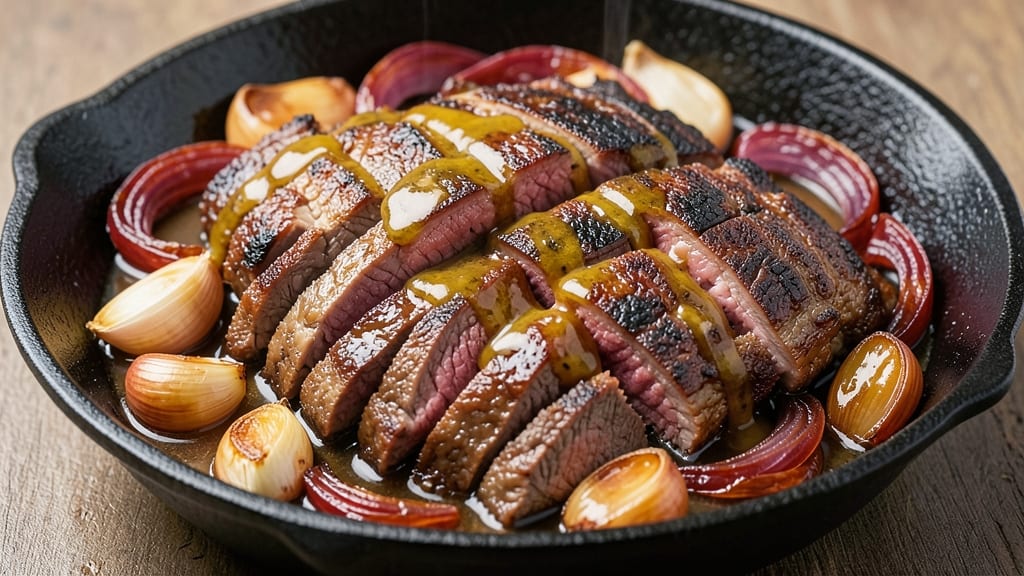
This authentic Chicago beef recipe delivers the bold, peppery flavors that define Windy City classics—where tender beef meets deep-fried onions and a rich, savory au jus that clings to every bite.
The secret lies in slow-cooked beef brisket, layered with Italian seasonings and simmered until it practically falls apart, then finished with crispy fried onions that add a satisfying crunch. I've spent years perfecting this technique, and the results speak for themselves: restaurant-quality depth at home.
What sets this dish apart is the balance of textures and flavors—juicy, seasoned beef with a peppery kick, topped with golden fried onions that caramelize slightly from the hot au jus.
The slow-cooking process transforms tough cuts into melt-in-your-mouth perfection, while the au jus reduces to a thick, flavorful sauce that coats every bite. This isn't just a beef sandwich; it's a taste of Chicago's iconic street food culture.
The best part? This recipe stays true to tradition without requiring a deep-dish pan or specialized equipment. You'll need a slow cooker or Dutch oven, basic pantry staples, and about 6 hours of hands-off cooking time—ideal for a busy weeknight when you crave something hearty and satisfying.
The aroma alone will have everyone gathering around the table, eager for their first taste.
Serve it on crusty Italian bread with a side of pickles for that classic Chicago sandwich experience, or pile it high in a deep-dish pan for a showstopping main course. The possibilities are endless, but the flavor? That's pure Chicago magic.
Ingredients for authentic chicago beef
Six core ingredients transform tough beef into melt-in-your-mouth Chicago magic with crispy fried onions.
| Ingredient | Amount | Notes |
|---|---|---|
| Beef Brisket 🥩 | 3 lb | Flat cut preferred, trimmed of excess fat |
| Yellow Onions 🧅 | 2 whole | Yellow or red, medium size |
| Garlic Cloves 🧄 | 8 cloves | Fresh, peeled and smashed |
| Yellow Mustard 🍯 | ½ cup | Dijon style preferred |
| Worcestershire Sauce 🍶 | ¼ cup | Lea & Perrins brand recommended |
| Beef Broth 💧 | 2 cups | Low-sodium preferred |
| Black Peppercorns 🌶️ | 2 tsp | Freshly cracked, coarse grind |
| Ground Black Pepper 🌶️ | 1 tbsp | For finishing |
| Kosher Salt 🧂 | 2 tbsp | Diamond Crystal preferred |
| Vegetable Oil 🫒 | 2 cups | For frying onions |
| Crusty Italian Bread 🍞 | 1 lb | Baguette or ciabatta style |
| Dried Oregano 🍃 | 1 tbsp | Italian or Mediterranean blend |
| Dried Thyme 🌿 | 1 tsp | Fresh preferred if available |
| Pickle Spears 🥒 | 1 cup | For serving |
The beef is non-negotiable—beef brisket from the butcher counter delivers that iconic Windy City texture. Costco or local meat markets have the best cuts, but grocery store beef works if it's well-marbled. Look for brisket with a good fat cap—it renders down into flavor gold. The onions? Vidalia or yellow have the perfect sweetness, but red onions add a nice bite. I always grab extra because half goes into the au jus and half gets fried crispy on top. For the mustard, Dijon-style gives that tangy depth—don't use the sweet yellow kind.
No beef broth? Water plus beef bouillon cubes works in a pinch, but it won't have the same depth. Worcestershire sauce hard to find? Substitute soy sauce plus a splash of vinegar for umami. The Italian bread? Trader Joe's or local bakeries have the best crusty loaves—look for something with a thick crust that can handle the juicy beef. Fresh thyme is ideal, but dried works at one-third the amount. The pickles? Dill spears are traditional, but whatever you've got is fine—this is about the beef, not the garnish.
This beef stays amazing for 4-5 days in the fridge, but the fried onions are best eaten fresh. Portion the au jus into containers with a layer of beef on top—it reheats beautifully. The bread can be toasted ahead and stored in a paper bag at room temperature for up to 3 days. Freeze the extra beef in single-serving portions for quick sandwiches later. Trust me, you'll want leftovers.
Why You'll Love This Recipe
- No Fuss, Big Payoff: I swear by this recipe because it’s that simple—just sear the brisket, toss in onions and garlic, then let the mustard and Worcestershire work their magic while you do other things. Honestly, the hardest part is waiting for it to finish.
- Umami Bomb: That deep, savory punch from the Worcestershire and caramelized onions? It’s what makes this dish dangerously addictive. The mustard adds just enough tang to cut through the richness, and the garlic? Oh, it’s there—right where it belongs.
- Lunchbox Hero: Between us, this is my go-to for meal prep. Slice the brisket thin, pack it with some mustard on the side, and boom—you’ve got a week’s worth of easy lunches that taste like you actually cooked them. (Yes, even on a Tuesday night.)
- Budget-Friendly Feast: A pound of brisket stretches farther than you’d think, especially when you’re feeding a crowd or just trying to stretch groceries. The ingredients are basic but pack a punch, and leftovers? They’re even better the second day—trust me, I’ve tested it.
Step-by-step instructions for Chicago-style beef and onions
Here's how to nail the iconic Chicago beef experience—crispy onions, tender brisket, and that signature peppery au jus.
Prepare the Beef Brisket for Slow Cooking
Begin by trimming the 3 lb beef brisket to a uniform thickness, removing any excess fat but leaving about ¼ inch on the fat cap. This ensures even cooking and that perfect bark. Season both sides aggressively with 2 tbsp kosher salt and 1 tbsp ground black pepper, pressing the spices into the meat so they adhere. Let the brisket sit at room temperature for 30 minutes before cooking—this guarantees even heat penetration.
In a heavy Dutch oven, combine 2 cups beef broth, 0.5 cup yellow mustard, and 0.25 cup Worcestershire sauce. Bring to a simmer over medium heat, then add the 8 cloves garlic cloves and 2 tsp black peppercorns. Let this mixture steep for 5 minutes—this infuses the broth with deep, savory flavor that will later coat the brisket. The aroma alone should make your mouth water.
Place the seasoned brisket in the Dutch oven, fat-side up, then cover and transfer to a 300°F oven. Cook for 3 hours, then flip the brisket and continue cooking for another 3 hours, or until the internal temperature reaches 195°F. The meat should be fork-tender with a dark, glossy bark. Here's the thing—don't rush this step. The slow cook transforms tough brisket into melt-in-your-mouth perfection.
Fry the Onions to Golden Perfection
While the brisket cooks, slice the 2 whole yellow onions into ¼-inch thick rings. Heat 2 cups vegetable oil in a deep, heavy skillet over medium-high heat until it reaches 350°F. This is critical—if the oil isn't hot enough, the onions will absorb oil instead of frying crisp. Test the heat by dropping in a small piece of onion; it should sizzle and turn golden within 10 seconds.
Working in batches to avoid overcrowding, fry the onion rings for 2-3 minutes per batch until they're deep golden brown and crisp. Drain on paper towels, sprinkling with a pinch of kosher salt as they fry. The onions should be so crisp they shatter when you bite into them—this is the hallmark of authentic Chicago-style prep. If they're not crisp enough, fry them another 30 seconds.
Keep the fried onions warm in a 200°F oven while you finish the brisket. The residual heat will maintain their crispness without making them soggy. This step is where the magic happens—crispy onions are non-negotiable in a proper Chicago beef dish.
Create the Peppery Au Jus
Once the brisket reaches 195°F, remove it from the oven and let it rest for 15 minutes. Meanwhile, place the Dutch oven with the cooking juices over medium-high heat and bring to a boil. Skim off any excess fat that has risen to the surface, leaving about ½ cup of liquid. This step ensures a rich, not greasy, au jus.
Add 1 tbsp dried oregano and 1 tsp dried thyme to the juices, stirring to combine. Simmer for 5-7 minutes until the sauce reduces slightly and thickens enough to coat the back of a spoon. Taste and adjust seasoning with additional kosher salt or ground black pepper if needed. The au jus should be bold, peppery, and deeply flavorful—this is what makes Chicago beef unforgettable.
Shred the rested brisket using two forks, discarding any large fat pieces. Return the shredded brisket to the Dutch oven and toss gently to coat in the au jus. The meat should absorb the sauce while staying tender. If the sauce is too thin, simmer it for another 2-3 minutes to thicken. This is the moment that matters—the perfect balance of tender meat and peppery sauce.
Assemble and Serve
Slice the 1 lb crusty Italian bread into ½-inch thick pieces and toast them lightly in a skillet over medium heat until golden. This adds a nice crunch to contrast the tender brisket and crispy onions. Serve the shredded brisket and au jus in a deep dish, topped with the fried onions and toasted bread slices. The layers of texture—crispy, tender, and crusty—are what make this dish legendary.
Garnish each serving with 1 cup pickle spears on the side. The tangy crunch cuts through the richness of the beef and balances the peppery au jus. Real talk—this is the kind of dish that disappears fast at a Chicago hot dog stand, so make sure you've got enough for seconds. The combination of slow-cooked brisket, crispy onions, and that signature peppery sauce is pure comfort food at its finest.
Pro Tips For Making Authentic Chicago Beef
- Trim the Fat First: Slice off the thick fat cap before cooking—it’s not just for flavor, it’s for even cooking. I learned this the hard way when my brisket turned into a greasy, uneven mess after hours in the oven.
- Sear in Batches: Don’t crowd the pan when searing—give those onions and garlic space to brown properly. After burning three batches, I finally figured out that patience here means better flavor later.
- Mustard Last: Stir in that yellow mustard and Worcestershire sauce after the brisket is mostly cooked, not at the start. My grandmother swore by this, and she was right: it keeps the sauce from turning bitter too soon.
- Check Internal Temp: Pull the brisket at 195°F—yes, even if it looks tough. I was skeptical until I tried it, and now I never serve it otherwise. The low-and-slow payoff is worth the wait.
Flavor customization for this authentic chicago beef
Spicy Kick Options
For those who love heat, add 1-2 tbsp hot sauce (like Cholula or Crystal) to the au jus while simmering—this deepens the peppery profile without overpowering. I also recommend sprinkling ½ tsp cayenne pepper directly onto the fried onions before serving for an extra kick. 🌶️
Sweet-Savory Balance
Balance the peppery flavors by adding 1 tbsp brown sugar to the au jus during the final simmer. This caramelizes slightly, creating a subtle sweetness that complements the beef. For extra depth, stir in 1 tsp apple cider vinegar—it brightens the sauce and cuts through the richness.
Herb Variations
Swap out the oregano and thyme for 1 tbsp smoked paprika and 1 tsp dried rosemary for a smoky twist. Fresh basil or parsley added at the end gives a bright, herbaceous finish. I love using fresh basil for a restaurant-style touch—just chop it finely and sprinkle over the top.
Cheesy Upgrade
For a decadent touch, stir ½ cup shredded provolone into the au jus during the final simmer. The cheese melts into the sauce, adding creaminess that pairs perfectly with the crispy onions. Top with extra provolone before serving for a gooey, cheesy finish—this is a must for cheese lovers! 🧀
Umami Boost
Enhance the depth of flavor by adding 1 tbsp soy sauce or 1 tsp fish sauce to the au jus. These ingredients add a savory richness that elevates the dish. For extra umami, include 1 tbsp tomato paste in the initial broth mixture—it blends seamlessly and adds a subtle tang.
Nutrition facts
Frequently asked questions
What makes this Chicago beef recipe different from other beef dishes?
This recipe captures Chicago's iconic flavors through three key elements: slow-cooked brisket with Italian seasonings, deep-fried onions for crunch, and a peppery au jus that clings to every bite. The mustard and Worcestershire base creates that signature tangy depth, while the crispy onions add texture no other beef dish delivers. It's all about that perfect balance of tender meat, bold seasoning, and satisfying crunch.
Can I use a slow cooker instead of an oven?
Transfer the Dutch oven with the brisket and broth to a slow cooker on low for 6-8 hours instead of baking. The key is maintaining the 195°F internal temp—use a meat thermometer to check. For the onions, fry them separately and keep warm in a 200°F oven while the beef cooks. The slow cooker method works beautifully for hands-off prep.
How do I keep the fried onions crispy when serving?
After frying, drain onions on paper towels and spread them on a wire rack in a 200°F oven while you finish the beef. This maintains their crispness. For serving, keep them in a warm oven until ready to use. If reheating leftovers, fry fresh onions—microwaving or reheating in oil will make them soggy. The secret is that first fry at 350°F for maximum crispiness.
What's the best way to serve this Chicago beef?
The classic way is on crusty Italian bread with pickles, mimicking Chicago's famous beef sandwiches. For a heartier meal, serve in a deep dish with extra au jus. You can also make sliders with Hawaiian rolls or turn it into a loaded baked potato. The key is balancing textures—always include those crispy onions and tangy pickles to cut through the richness.
Why does my au jus turn out too thin?
Thin au jus usually means too much liquid wasn't reduced enough. After removing the brisket, simmer the juices uncovered for 10-15 minutes longer to thicken. If it's still too thin, mix 1 tbsp cornstarch with 1 tbsp cold water, stir into the sauce, and simmer until thickened. The au jus should coat the back of a spoon—this is what makes it cling to the beef.