
Main Courses
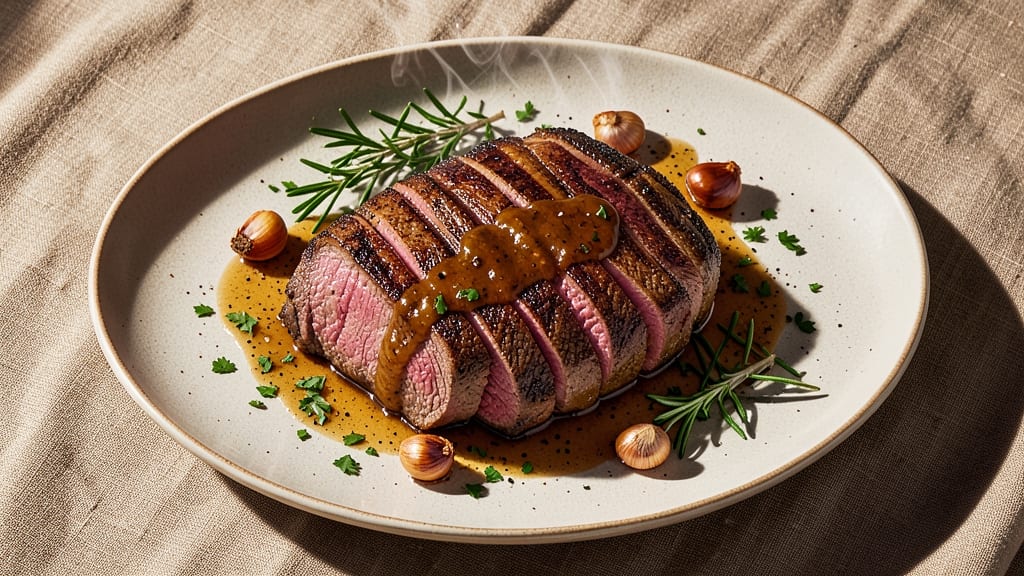
Mastering America's Test Kitchen beef tenderloin recipe transforms a simple cut into a showstopping centerpiece with a juicy core and perfectly seared crust. This method combines precision timing with herb-crusted elegance, ensuring restaurant-quality results at home.
I've refined this technique over countless test batches, and the difference between overcooked and perfect tenderloin comes down to temperature control and resting.
The secret lies in reverse searing—starting with a low oven temperature to cook the meat evenly before finishing with a high-heat sear for that coveted crust. A blend of fresh herbs, garlic, and Dijon mustard creates an aromatic crust that clings beautifully while enhancing the beef's natural richness.
Every step is designed to preserve moisture, so you'll end up with a tenderloin that's tender from edge to edge, not just the center.
What makes this recipe truly exceptional is how it balances science with simplicity. You'll work with precise internal temperatures, but the process itself is straightforward once you understand the key principles.
The result? A beef tenderloin that's so impressive, guests will assume you spent hours in the kitchen. Serve with roasted vegetables or a classic red wine reduction for the full experience.
This method delivers foolproof results whether you're cooking for a special occasion or a weeknight dinner. The herb crust adds visual appeal while keeping prep manageable, and the reverse searing technique ensures perfect doneness every time. Let's get started on creating your most impressive beef tenderloin yet.
Ingredients for america's test kitchen beef tenderloin
Four pounds of beef tenderloin and a handful of fresh herbs—this is your ticket to restaurant-worthy results.
| Ingredient | Amount | Notes |
|---|---|---|
| Beef Tenderloin 🥩 | 4 lb | Center-cut, trimmed of silver skin |
| Fresh Rosemary 🌿 | ¼ cup | Finely chopped, fresh preferred |
| Fresh Thyme 🌿 | ¼ cup | Leaves only, stems removed |
| Fresh Parsley 🌿 | ¼ cup | Flat-leaf, finely chopped |
| Garlic Cloves 🧄 | 6 cloves | Minced, fresh preferred |
| Dijon Mustard 🍯 | 2 tbsp | High-quality, smooth texture |
| Extra-Virgin Olive Oil 🫒 | ¼ cup | For crust and searing |
| Kosher Salt 🧂 | 1 ½ tbsp | Diamond Crystal preferred |
| Freshly Ground Black Pepper 🌶️ | 1 ½ tsp | Coarse grind preferred |
| Unsalted Butter 🧈 | ½ cup | Cold, cubed for searing |
| Red Wine 🍷 | ½ cup | Dry, for deglazing |
| Beef Stock 🥫 | ½ cup | Homemade or high-quality |
The beef tenderloin is the star, so don't cut corners here. Look for a center-cut roast with good marbling—Costco or Whole Foods usually have excellent quality. The herb crust transforms this simple cut into something extraordinary, so grab fresh rosemary, thyme, and parsley if you can. If you're using dried herbs, toast them lightly in a dry pan first to wake up the flavors. The Dijon mustard adds depth, so avoid the cheap stuff—look for a smooth, high-quality brand like Maille. For the olive oil, anything fruity and peppery will work, but avoid the super cheap stuff that tastes like soap.
No fresh herbs? Dried will work in a pinch, but use half the amount. Short on Dijon? Yellow mustard plus a pinch of sugar gets you close. The red wine can be swapped for beef broth plus a splash of balsamic if you're avoiding alcohol. For the butter, European-style unsalted (like Plugrá) gives the best flavor, but regular unsalted works fine. The beef stock? Homemade is ideal, but even a good-quality canned stock like Knudsen or Pacific Foods will do the trick. If you're prepping ahead, you can make the herb crust mix up to 2 days in advance—just store it in the fridge until ready to use.
This recipe reheats beautifully, but it's best served fresh—the crust stays crispier when eaten the same day. For leftovers, wrap tightly in plastic and refrigerate for up to 3 days. Freeze any remaining portions for up to 3 months, but let it thaw in the fridge overnight for best results. The herb crust can be made ahead and stored in an airtight container for up to 5 days. If you're cooking for a crowd, consider doubling the recipe—this tenderloin is so impressive, people will think you spent hours in the kitchen.
Why You'll Love This Recipe
- I’ll be real: most beef tenderloin leftovers turn out dry or sad. Not this one. The ATK method keeps it juicy, so I can meal prep it for lunches all week. Even my kids—who usually refuse anything “fancy”—ask for it. (Yes, even on a Tuesday night.)
- No-Fuss Prep: I swear by this recipe because it’s actually simple—just a quick rub of garlic, rosemary, and thyme, then a sear in the pan. No basting, no fussing, no stressing over timing. The herbs infuse effortlessly while you’re chopping veggies or setting the table.
- Herb-Packed Magic: That crispy crust with rosemary’s piney bite and thyme’s earthy warmth? It’s the kind of flavor that makes you pause mid-bite. The garlic cloves, lightly charred in the sear, add this bright, savory punch that cuts through the richness. Honestly, the first time I made it, my husband asked for seconds before I even finished plating.
- Weeknight to Dinner Party: Between us, this is my secret weapon for when friends drop by unannounced. Slice it thin for sandwiches, serve it whole for a showstopper, or even toss cold slices into salads the next day. The leftovers? Still just as good reheated (yes, really) or cold in wraps.
Step-by-step instructions for herb-crusted beef tenderloin
Here's how to transform a simple beef tenderloin into a showstopping centerpiece—tender inside, perfectly crusty outside.
Prepare the Herb Crust and Season the Meat
In a small bowl, combine the 0.25 cup fresh rosemary, 0.25 cup fresh thyme, 0.25 cup fresh parsley, 6 cloves garlic cloves, 2 tbsp Dijon mustard, 1.5 tbsp kosher salt, and 1.5 tsp freshly ground black pepper. Mix well with your hands or a fork until the herbs are finely distributed and the mustard creates a cohesive paste. This herb mixture is the secret to that irresistible crust.
Pat the 4 lb beef tenderloin dry with paper towels—this is non-negotiable for crispy skin. Rub the herb mixture all over the meat, pressing firmly so it adheres. Let the tenderloin sit at room temperature for 30 minutes before cooking. This step ensures even cooking and maximum flavor penetration.
Sear the Tenderloin for Maximum Flavor
Preheat your oven to 425°F. Heat a heavy oven-safe skillet (like cast iron) over medium-high heat and add 0.25 cup extra-virgin olive oil. Once the oil shimmers, place the tenderloin in the skillet, fat-side down. Sear for 4 minutes per side until deep golden brown—this creates the foundational crust. Don't rush this step; patience here prevents a bland exterior.
While searing, have the 0.5 cup unsalted butter ready to add to the pan. After the initial sear, remove the tenderloin and set it aside. Add the butter to the skillet and let it foam for 30 seconds before spooning it over the meat. This basting step adds richness and helps develop the crust further.
Roast to Perfect Doneness
Transfer the skillet to the preheated oven and roast for 20-25 minutes for medium-rare (internal temperature 125-130°F). The key here is to use a meat thermometer—it's the only reliable way to gauge doneness. If your oven runs hot, start checking at the 18-minute mark. The meat should feel slightly springy when pressed with your finger.
Here's the thing—this cut is forgiving, but don't overcook it. Once it reaches the target temperature, remove it immediately and let it rest for 15 minutes before slicing. This resting period is crucial for redistributing juices, ensuring each slice stays juicy and tender.
Create the Red Wine Reduction Sauce
While the meat rests, return the skillet to the stovetop over medium heat. Add 0.5 cup red wine and scrape up any browned bits from the bottom—this is where all the flavor hides. Let the wine reduce by half, about 3-4 minutes, until it coats the back of a spoon.
Add 0.5 cup beef stock and simmer for another 2-3 minutes until slightly thickened. Strain the sauce through a fine-mesh sieve to remove any herb bits, then return it to the pan. Keep it warm until serving—this sauce will elevate your tenderloin from good to extraordinary.
Pro Tips For Making America'S Test Kitchen Beef Tenderloin
- Trim the Fat First: America’s Test Kitchen swears by a dry-brined tenderloin, but if your roast has a thick fat cap, trim it down to ¼-inch before seasoning—it’ll render faster and let the crust form evenly. I used to skip this, and the fat would turn to grease instead of golden, crispy magic.
- Use a Meat Thermometer: The recipe calls for a 130°F internal temp for medium-rare, but tenderloin cooks fast—pull it out 5°F early and let it rest. I learned this the hard way when my first batch hit 135°F and turned out dry. Trust the thermometer, not the guesswork.
- Sear in Batches: Crowding the pan drops the temperature and steams the meat instead of searing. Work in batches if your skillet’s smaller than the roast—just 2-3 minutes per side at high heat. Sounds tedious, but it guarantees that caramelized crust the recipe promises.
- Toast the Herbs First: Roughly chop the rosemary, thyme, and parsley, then toast them in the same pan you sear the beef for 30 seconds—just until fragrant. This concentrates their flavor and makes the herb butter sing. (Yes, even if you’re impatient like me.)
Dietary considerations for these flavors
Gluten-Free Adaptation
The original recipe is naturally gluten-free, but if you're using store-bought Dijon mustard, check the label—some brands contain gluten. I recommend Maille Dijon or Colman's, both of which are certified gluten-free.
The herb crust and red wine reduction remain unchanged, so no extra steps are needed beyond verifying your ingredients. 🌾
Dairy-Free Modifications
For a dairy-free version, skip the butter basting step and use olive oil instead. Replace the butter in the red wine reduction with vegetable broth or white wine to maintain depth.
The crust will still adhere beautifully, and the flavor remains rich without dairy. Just ensure your beef stock is also dairy-free.
Low-Carb/Keto Adjustments
This recipe is already keto-friendly, with no added sugars or high-carb ingredients. The herb crust provides flavor without carbs, and the wine reduction can be made with sugar-free beef stock.
For extra richness, add a splash of bone broth instead of butter. Stick to the original searing and roasting times for perfect doneness.
Allergen-Friendly Tips
If you're avoiding garlic, substitute with asafetida powder (½ tsp) for a similar savory depth. For nut allergies, ensure your Dijon mustard is nut-free—some brands process in facilities with nuts. Always double-check labels, especially for pre-made stocks or mustards. The recipe remains safe and delicious with these simple swaps. 💡
Protein-Packed Boost
Want to make this even more protein-rich? Add a thin layer of Dijon-marinated beef strips wrapped around the tenderloin before roasting. Use 8 oz lean beef strips marinated in 1 tbsp Dijon + 1 tbsp olive oil for an extra 20g protein per serving.
The flavors meld perfectly with the herb crust.
Meal Prep for Dietary Needs
Prep the herb crust ahead and store it in an airtight container for up to 5 days. For keto or low-carb meal prep, slice the cooked tenderloin and store in single-serving portions with the wine reduction on the side.
Reheat gently in a skillet with a splash of broth to maintain moisture. Always reheat to 165°F for safety. ✨
Nutrition facts
Frequently asked questions
Why does America's Test Kitchen recommend reverse searing for beef tenderloin?
Reverse searing ensures even cooking from edge to center while maintaining a perfect crust. Starting at 425°F after searing prevents overcooking the exterior before the interior reaches the ideal 125-130°F for medium-rare. This method also preserves moisture better than high-heat roasting alone.
Can I cook this recipe without a meat thermometer?
While possible, it's risky. A meat thermometer guarantees perfect doneness—125-130°F for medium-rare. Without one, use the finger test: press gently—if it feels slightly springy, it's likely done. For extra safety, aim for 20-25 minutes total cooking time after searing, but check for doneness.
How do I adjust the cooking time for a different-sized tenderloin?
Use a 15-minute rule: For every pound beyond 4 lbs, add 15 minutes to the roasting time. For example, a 5-lb tenderloin needs 35-40 minutes at 425°F. Always use a meat thermometer to verify—size affects heat distribution, so never rely solely on time.
What's the best way to slice the beef tenderloin after resting?
Slice against the grain at a ¼-inch thickness for maximum tenderness. Use a sharp knife and cut through the chine bone (if present) to avoid breaking slices. For presentation, arrange slices on a platter with the wine reduction drizzled over the top. The herb crust will stay intact if you slice carefully.
Can I make the herb crust ahead of time?
Yes! Mix all ingredients and store in an airtight container in the fridge for up to 5 days. Let it sit at room temperature for 30 minutes before using to help the flavors meld. The Dijon mustard will keep the herbs fresh longer, but add a pinch of salt if storing overnight to maintain seasoning balance.