
Main Courses
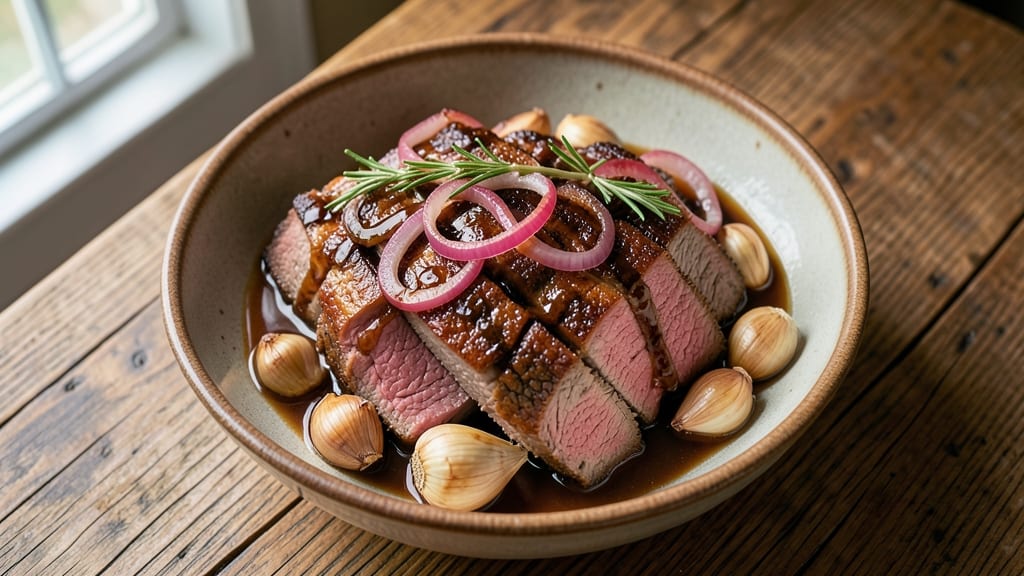
America's Test Kitchen beef brisket recipe delivers fall-apart tenderness that rivals the best barbecue pits, but with precision timing and proven techniques. This isn’t just another slow-cooked brisket—it’s a science-backed method that transforms tough meat into melt-in-your-mouth perfection, guaranteed to impress even the most skeptical guests.
The key? A two-phase cook that balances bark development with internal tenderness, plus a simple but critical step most recipes skip.
What sets this apart is the focus on texture control—the point cut stays juicy while the flat develops that coveted crust. We use a low-and-slow approach with precise temperature monitoring, ensuring the meat never dries out or burns. The result?
A brisket so tender it practically shreds at the touch, with a flavor balance between smoky bark and rich, beefy interior that’s hard to resist. This isn’t just a recipe; it’s a foolproof system for brisket success every time.
Pair it with classic sides like cornbread and tangy coleslaw to complete the meal, or serve it as the centerpiece for a holiday feast. The method scales perfectly for crowds, and leftovers reheat beautifully—though you’ll likely eat it all in one sitting.
Whether you’re a backyard pitmaster or a kitchen novice, this recipe delivers restaurant-quality results without the guesswork.
Ready to master brisket? We’ll walk you through every step—from prep to probe—so you can achieve that perfect pull. No shortcuts, just reliable, repeatable tenderness that America’s Test Kitchen stands behind. Let’s get started.
Ingredients for america's test kitchen beef brisket
Eight pounds of beef brisket and twelve spices—this is the science-backed lineup for melt-in-your-mouth perfection.
| Ingredient | Amount | Notes |
|---|---|---|
| Beef Brisket 🥩 | 8 lb | Point cut, 1/2 flat, 1/2 point |
| Yellow Onions 🧅 | 2 whole | Yellow, medium size, peeled |
| Garlic Cloves 🧄 | 12 cloves | Fresh, peeled, smashed |
| Beef Broth 💧 | 4 cups | Low-sodium preferred |
| Apple Cider Vinegar 🍎 | ½ cup | For tenderizing |
| Brown Sugar 🍚 | ½ cup | Packed, light brown |
| Smoked Paprika 🌶️ | 1 tbsp | For smoky depth |
| Ground Black Pepper 🌶️ | 1 tbsp | Freshly cracked |
| Kosher Salt 🧂 | 2 tbsp | Diamond Crystal preferred |
| Mustard Seeds 🌿 | 1 tbsp | Yellow, whole |
| Bay Leaves 🍃 | 4 whole | Fresh, dried works too |
| Wooden Coffee Beans ☕ | 1 tbsp | For smoky aroma |
| Unsalted Butter 🧈 | 4 oz | Cold, cubed |
| Yellow Cornmeal 🌽 | ½ cup | For crust development |
The brisket is non-negotiable here. Look for a 8-pound point cut—the flat portion develops that coveted bark, while the point stays tender. Most butchers will trim it for you, but if you're doing it yourself, leave about 1/4-inch fat cap. I always grab mine from Whole Foods or a trusted local butcher—they know to source from high-quality suppliers. The brisket should be bright red, not grayish, with good marbling. If you can't find a point cut, a whole packer brisket works too, but you'll need to separate the flat and point yourself. Pro tip: ask for the brisket to be vacuum-sealed—it keeps better and prevents drying out during prep.
No smoked paprika? Substitute with 1 tbsp regular paprika plus 1 tsp liquid smoke—it’s a game-changer for that authentic barbecue flavor. Running low on beef broth? Use a mix of water and bouillon, but add a splash of Worcestershire sauce for depth. The apple cider vinegar is critical—it tenderizes the meat, but if you’re out, lemon juice or white vinegar work in a pinch. For the mustard seeds, ground mustard at half the amount adds a similar tang. And if you’re feeling adventurous, swap the coffee beans for hickory chips or chunks—just toast them lightly first to deepen the smoky notes. The butter and cornmeal are your secret weapons for that perfect crust, so don’t skimp. If you’re prepping ahead, pat the brisket dry and refrigerate uncovered for 1-2 hours before cooking to help it develop bark.
This brisket is a make-ahead masterpiece. Cook it once, and you’ll have leftovers for 4-5 days in the fridge—though I’ve never known anyone to last that long. For longer storage, wrap tightly in foil and freeze for up to 3 months. The bark stays crispy if you reheat it in a 325°F oven for 15-20 minutes, covered loosely with foil. To serve, slice against the grain for that signature shredded texture. I always make extra because it’s perfect for sandwiches, tacos, or even brisket hash the next day. And if you’re serving a crowd, double the batch—trust me, you’ll need it
Why You'll Love This Recipe
- Two-Ingredient Base: I swear by this trick—just brisket, onions, and broth. The onions caramelize right in the pan while you prep, so no extra pots or timers. Honestly, the vinegar’s acidity does half the work for you.
- Deep, Slow Magic: That crispy bark on the outside? It’s all about the apple cider vinegar and low-and-slow cooking. The garlic cloves get sweet and jammy, and the beef broth keeps it juicy—like a hug in your mouth.
- Leftovers for Days: This recipe makes enough for a crowd, but the best part? The brisket gets better the next day. I freeze portions for lazy Mondays, and it reheats like it was just pulled from the oven. Zero guilt, all satisfaction.
- Budget Hero: A whole packer of brisket feeds my family for weeks, and the onions/garlic/vinegar cost pennies. Between us, this is how I stretch a paycheck without sacrificing flavor—no sad, dry meat here.
Step-by-step instructions for america's test kitchen beef brisket
Here's the science-backed method that guarantees fall-apart tenderness every time.
Prepare the Brisket with the Dry Rub
Begin by trimming the 8 lb beef brisket of excess fat, leaving about ¼-inch fat cap for moisture during cooking. Pat the surface completely dry with paper towels—this step is non-negotiable for crispy bark formation. In a small bowl, combine 2 tablespoons kosher salt, 1 tablespoon smoked paprika, 1 tablespoon ground black pepper, 1 tablespoon mustard seeds, 1 tablespoon wooden coffee beans, and 4 whole bay leaves. Crush the coffee beans lightly with a mortar and pestle to release their aromatic oils.
Generously coat the brisket with the dry rub mixture, pressing it firmly into the meat so it adheres well. Place the seasoned brisket on a wire rack set over a baking sheet and refrigerate uncovered for 12-24 hours. This dry-brining process enhances moisture retention and develops deep flavor. The rub should form a crusty layer, and you'll notice the meat's surface turning slightly tacky—this is the salt drawing out moisture, which will evaporate during cooking.
Sear the Brisket for Maximum Flavor
Remove the brisket from the refrigerator 1 hour before cooking to bring it to room temperature. Preheat your oven to 325°F and place a heavy oven-safe Dutch oven or roasting pan on the middle rack. Heat 4 ounces unsalted butter in the Dutch oven over medium-high heat until it foams. Add the brisket fat-side down and sear for 10-12 minutes until the fat renders and the surface develops a deep golden-brown crust.
Flip the brisket and sear the other side for another 8-10 minutes. The butter should sizzle vigorously and turn nutty brown—this is where the Maillard reaction creates those rich, caramelized flavors. Transfer the seared brisket to a cutting board and tent loosely with foil while you prepare the braising liquid.
Build the Braising Liquid for Tenderization
In the same Dutch oven, add 2 whole yellow onions (cut into ½-inch slices) and 12 cloves garlic cloves (smashed). Cook for 5 minutes until softened and lightly caramelized. Pour in 4 cups beef broth, 0.5 cup apple cider vinegar, and 0.5 cup brown sugar, scraping up any browned bits from the bottom of the pan. The liquid should smell rich and complex—this is your flavor base.
Return the brisket to the Dutch oven, fat-side up, and bring the liquid to a simmer. Cover tightly with a lid and transfer to the preheated 325°F oven. Cook for 3 hours, then carefully flip the brisket and cook another 3 hours. The internal temperature should reach 195-200°F—this is when collagen breaks down and the meat becomes fork-tender. If the liquid reduces too much, add ½ cup hot water to maintain moisture.
Create the Cornmeal Crust for Texture
Once the brisket reaches the target temperature, remove it from the oven and let it rest on a cutting board for 15 minutes. Meanwhile, preheat your broiler to high. Transfer the brisket to a broiler-safe baking sheet and sprinkle 0.5 cup yellow cornmeal evenly over the top. Broil for 3-5 minutes until the cornmeal turns golden brown and crispy—this creates the signature crunchy crust.
The cornmeal should look toasted and slightly puffed in spots, with a deep nutty aroma. This step transforms the brisket from simply tender to extraordinary, adding a delightful textural contrast. Let the brisket rest for another 15 minutes before slicing against the grain into ¼-inch thick pieces. The juices will redistribute, ensuring each bite is moist and flavorful.
Pro Tips For Making America'S Test Kitchen Beef Brisket
- Trim the Fat First: Slice off that thick fat cap before seasoning—it’s not just for flavor, it’s for even cooking. I learned this the hard way when my brisket ended up with a greasy, uneven crust because I skipped it.
- Caramelize Onions Slowly: Don’t rush the onions—cook them on medium-low for at least 20 minutes until deep golden. I used to crank the heat and ended up with bitter, dry onions that ruined the sauce.
- Check Internal Temp Often: Use a meat thermometer and probe the thickest part of the flat—aim for 195°F (203°F for pull-apart tenderness). I’ve walked away too long, and the brisket turned into leather.
- Deglaze with Vinegar Last: Add the apple cider vinegar after the brisket is mostly cooked, not at the start—it’ll mellow out the sharpness and brighten the sauce. I was skeptical until I tried it.
Perfect pairings for these flavors
Classic Southern Sides
Nothing complements brisket like creamy coleslaw—I make mine with 1 cup mayonnaise, ¼ cup apple cider vinegar, 2 tbsp Dijon mustard, 1 tbsp sugar, and ½ tsp celery seed.
Shred 2 lbs green cabbage and 1 lb carrots, then toss with the dressing. The tangy crunch cuts through the richness beautifully. 🥬
For a hearty side, serve with buttery cornbread baked in a cast-iron skillet. Use 1 cup cornmeal, 1 cup all-purpose flour, 1 tbsp baking powder, and 1 cup buttermilk for a golden, crumbly texture. Brush with melted butter before serving—it’s the perfect vehicle for brisket juices. 🍞
Bold Flavor Boosters
Add pickled red onions for a bright, acidic contrast. Thinly slice 2 large red onions, soak in 1 cup vinegar, 1 tbsp sugar, and 1 tsp salt for 30 minutes. The sharpness balances the smoky brisket perfectly. 🧅
For extra depth, serve with smoky baked beans. Use 1 lb dried navy beans, 1 cup BBQ sauce, ½ cup molasses, and 1 tsp smoked paprika. Simmer for 2 hours until thick and glossy—this side adds a sweet, savory layer that ties everything together. 🍠
Drink Pairings
A bold Texas-style beer like Shiner Bock or Lone Star complements the smoky, spiced flavors. The malty sweetness and slight bitterness cleanse your palate between bites. For a non-alcoholic option, try sweet tea—its honeyed tang is a Southern classic. 🍺
For wine lovers, a medium-bodied red like Zinfandel or Cabernet Sauvignon stands up to the richness. The tannins cut through the fat, while the fruitiness enhances the brisket’s depth. Avoid light whites—they’ll get overwhelmed. 🍷
Nutrition facts
Frequently asked questions
Why does this recipe use a two-phase cook instead of just slow-roasting?
The two-phase method—sear first, then braise—creates the perfect balance of bark and tenderness. Searing develops deep, caramelized flavors through the Maillard reaction, while the low-and-slow braise breaks down collagen for melt-in-your-mouth texture. This approach prevents dryness while maximizing flavor development in every bite.
Can I substitute the point cut for a whole packer brisket?
Yes, but you’ll need to separate the flat and point yourself. The flat develops bark beautifully, while the point stays tender—just trim excess fat and follow the same cooking times. For a whole packer, aim for 8-10 pounds total to match this recipe’s yield. Pro tip: Use kitchen twine to tie the flat portion tightly before cooking.
What’s the deal with the cornmeal crust? Can I skip it?
The cornmeal crust adds a crispy, nutty contrast that elevates the brisket from good to extraordinary. Skip it only if you’re short on time, but you’ll miss that satisfying crunch. For a quick alternative, use crushed cornflakes or panko instead. Toast them in the oven for 3-5 minutes at 450°F before sprinkling.
How do I know when the brisket is done without a meat thermometer?
The brisket should reach an internal temperature of 195-200°F for perfect tenderness. Without a thermometer, use the fork test: Insert a fork into the thickest part—if it slides in like butter, it’s ready. Alternatively, the point cut should pull apart easily, while the flat will still hold its shape.
Can I make this in a smoker instead of the oven?
Smoke the brisket at 225-250°F until it reaches 195-200°F internal temp, then finish with the cornmeal crust in the oven. Use hickory or oak wood chips for classic flavor. For a smoker, add 1 cup apple juice or beef broth to the pan to prevent drying. The bark will develop differently but still be delicious.